Project Scope
My internship encompassed multiple strategic initiatives supporting Cummins' enterprise-wide
digital transformation, with particular emphasis on information governance frameworks, content
management system optimization, and knowledge transfer processes. The work spanned technology
evaluation, policy development, vendor assessment, and stakeholder communication across the
global organization.
Enterprise Content Management
- Technology Research & Evaluation — Analyzed existing and emerging content management technologies to determine optimal delivery methods for enterprise information
- System Gap Analysis — Identified functionality deltas within current content management tools and developed solutions for addressing system limitations
- Content Delivery Optimization — Recommended approaches for improving information accessibility and user experience across the organization
Information Governance & Taxonomy
- Enterprise Taxonomy Development — Designed comprehensive taxonomy structures to support consistent information classification across business units
- Governance Policy Creation — Developed information governance frameworks and retention policies aligned with regulatory requirements and business needs
- Process Analysis & Improvement — Evaluated business archival processes and identified opportunities for efficiency gains and risk mitigation
Digital Transformation & Vendor Management
- RFP Evaluation — Assessed vendor proposals for enterprise migration, search capabilities, information architecture, and taxonomy solutions
- SharePoint Architecture Planning — Advised on Microsoft SharePoint enterprise architecture strategy and implementation approach
- Technology Selection Support — Provided technical and strategic input for vendor selection decisions with multi-year organizational implications
Knowledge Management & Executive Communications
- Knowledge Transfer Planning — Developed comprehensive mind maps documenting processes, relationships, and institutional knowledge for team continuity after internship conclusion
- Executive Reporting — Created summaries and presentations synthesizing complex technical information for steering committee review
- Stakeholder Communication — Distributed reports and recommendations to leadership and cross-functional stakeholders across the global organization
My Role
I served as a Business Analyst Intern within Cummins' Enterprise Content Management
organization, supporting strategic initiatives spanning information governance, digital
transformation, and knowledge management. The role required balancing independent
research and analysis with collaborative stakeholder engagement across a complex global enterprise.
My primary responsibility centered on ECM technology evaluation and optimization. I researched
existing platforms and emerging solutions to assess appropriate content delivery methods for the
organization's diverse information needs, conducted gap analysis identifying functionality limitations
within current systems, and developed actionable recommendations for platform enhancement decisions.
A significant portion of my work focused on information governance and enterprise taxonomy development.
I served as a lead contributor in designing taxonomy structures to support consistent information
classification across Cummins' global operations, and developed governance frameworks and retention
policies balancing regulatory compliance with operational business needs. Through analysis of business
archival processes, I identified improvement opportunities that enhanced efficiency while reducing information management risk.
I also played an active role in Cummins' digital transformation initiatives around vendor selection and
technology strategy. I evaluated vendor responses to RFPs, assessing capabilities across content migration,
enterprise search, information architecture, and taxonomy management within the Microsoft SharePoint
ecosystem. My analysis informed significant technology investment decisions with multi-year organizational implications.
Throughout the internship, I maintained regular communication with executive stakeholders and the
steering committee, synthesizing complex technical information into executive summaries and presentations
that articulated recommendations, trade-offs, and business implications — translating technical detail
into business value propositions for leadership audiences.
Recognizing the importance of knowledge continuity, I developed comprehensive mind maps documenting
key learnings, organizational relationships, process workflows, and institutional knowledge — ensuring
insights gained during the engagement could be effectively transferred to the permanent team beyond my departure.
Engagement Approach
01
Orient & Immerse
Before touching a single deliverable, I invested in understanding Cummins from the inside out — walking the engine plant floor, embedding in UCC governance meetings, and building relationships across two offices. The goal was to earn context that no brief could provide, and to understand what I was actually supporting before presuming to improve it.
02
Research & Assess
With organizational footing established, I turned to the work: evaluating a decade-old content management ecosystem and building the business case for migrating from IBM Lotus Notes and Documentum to Microsoft SharePoint. This meant rigorous gap analysis, technology benchmarking, and translating soft behavioral data into hard numbers leadership could act on.
03
Design & Recommend
Findings became frameworks. I designed enterprise taxonomy structures, drafted governance policies, and evaluated vendor RFP responses against critical capability criteria. Every recommendation was pressure-tested for executive audiences — synthesized into presentations delivered directly to the CAO and steering committee, where the stakes of getting it right were real.
04
Document & Transfer
A three-month engagement is only as valuable as what it leaves behind. I built comprehensive mind maps capturing institutional knowledge, process workflows, and organizational relationships — not as a formality, but as a deliberate act of continuity. The work had to outlast my time there, and it did.
Challenges
🏛️ Navigating Enterprise Organizational Complexity
Operating within a large, global manufacturing organization required understanding intricate
reporting structures, decision-making hierarchies, and cross-functional dependencies that don't
exist in smaller companies. Content management initiatives touched multiple business units spanning
different geographies, functional areas, and organizational cultures. Building the network necessary
to understand how information actually flowed — versus how organizational charts suggested it should
flow — demanded proactive relationship building and careful navigation of formal and informal
communication channels.
⚖️ Balancing Technical Depth with Strategic Breadth
The role required simultaneously diving deep into technical specifications of content management
platforms while maintaining strategic perspective on broader business transformation objectives. I
needed to evaluate granular system capabilities around metadata management and search functionality
while also considering enterprise-scale implications for adoption, change management, and ROI. This
balance between tactical execution and strategic thinking required operating at multiple altitudes
simultaneously — translating granular system constraints into business value propositions that
resonated with audiences ranging from engineers to the CAO.
📈 Accelerated Learning Curve in Specialized Domain
Enterprise information governance, taxonomy development, and content management represented highly
specialized domains with little academic precedent to lean on. The internship demanded rapid skill
acquisition across retention policy frameworks, metadata standards, information architecture
principles, and vendor evaluation criteria — while contributing to active initiatives with real
budgetary and organizational implications. Earning credibility alongside full-time professionals
with years of domain expertise, within a three-month window, required intellectual honesty about
what I didn't know and relentless curiosity about everything I needed to learn.
🤝 Strategic Networking Approach
Joining a Fortune 150 organization as a three-month intern meant the clock started immediately.
I implemented a structured networking methodology from day one — setting a goal to connect with at
least four new people each week through deliberate touchpoints: sitting with new colleagues in
recurring meetings, engaging during elevator encounters, attending campus events, and proactively
scheduling coffee chats. Each week's interactions were documented and reflected on, creating a
discipline that reinforced both learning and relationship equity. What started as an internship
goal became something more durable — a replicable framework I've carried into every organization
since, consistently accelerating my ability to navigate complexity, build trust, and contribute
at a level beyond my tenure.
Outcome
The internship concluded with something few three-month engagements produce: a full-time
employment offer from a Fortune 150 organization, extended based on demonstrated performance,
strategic contributions, and organizational fit. I accepted.
What followed was three years of continued growth within Cummins' enterprise information
management function — expanding responsibilities, deepening domain expertise, and building on
the relationships and credibility established that first summer. The internship wasn't a preview
of a career at Cummins; it became the foundation of one.
The structured networking methodology developed during those twelve weeks proved equally
durable — a replicable framework for building organizational trust quickly that has shaped
how I enter and navigate every new environment since.
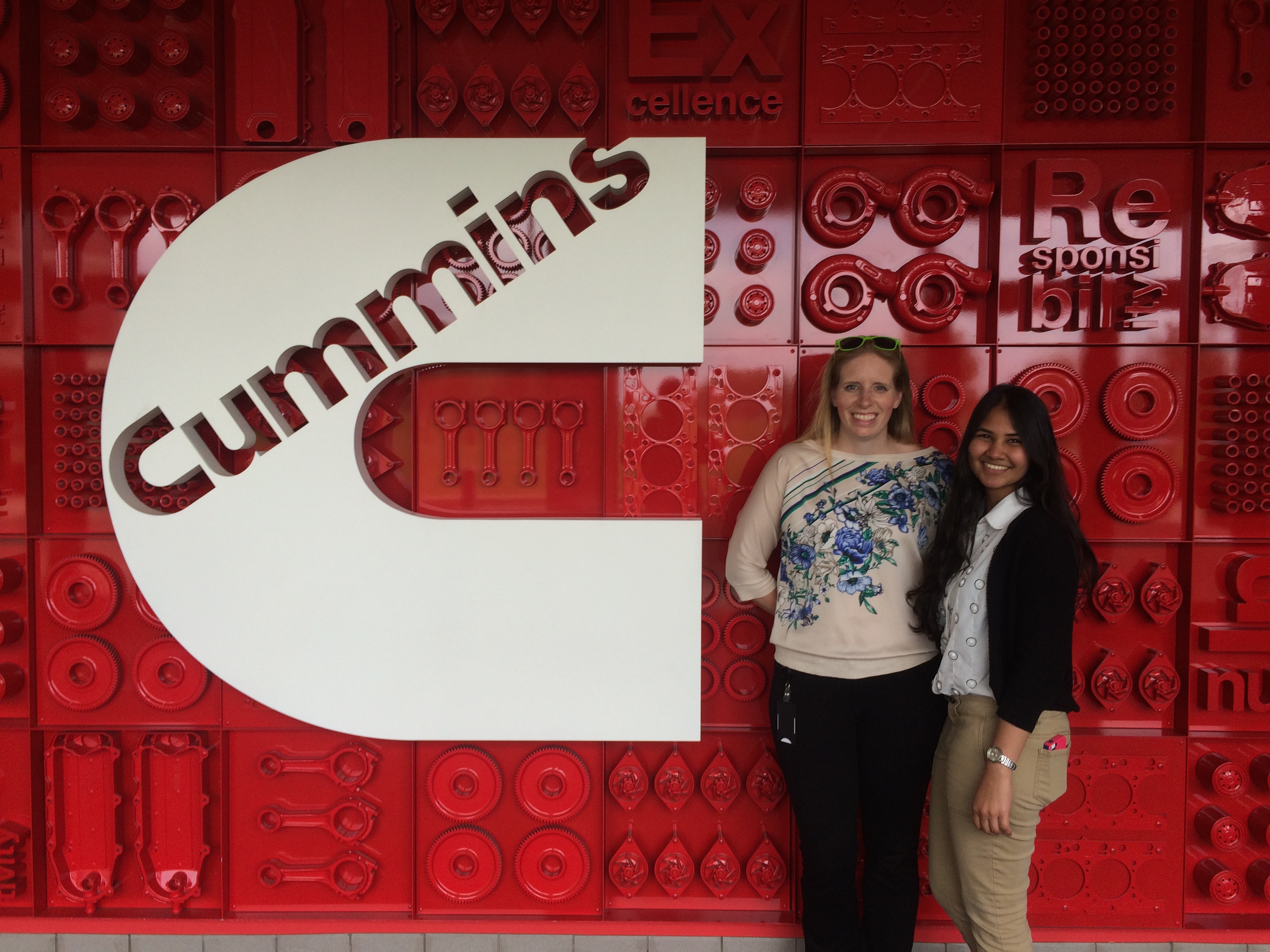
Cummins Inc. — Columbus, Indiana — Summer 2015