Project Overview
The Weather Group, part of Allen Media Group and a leading provider of weather content to 200M+ global users, partnered with our agency to modernize their entire streaming TV application ecosystem. This comprehensive rebuild aimed to transform their presence across multiple OTT platforms, replacing legacy applications with a unified, modern architecture that could deliver personalized weather content, interactive features, and premium subscription services.
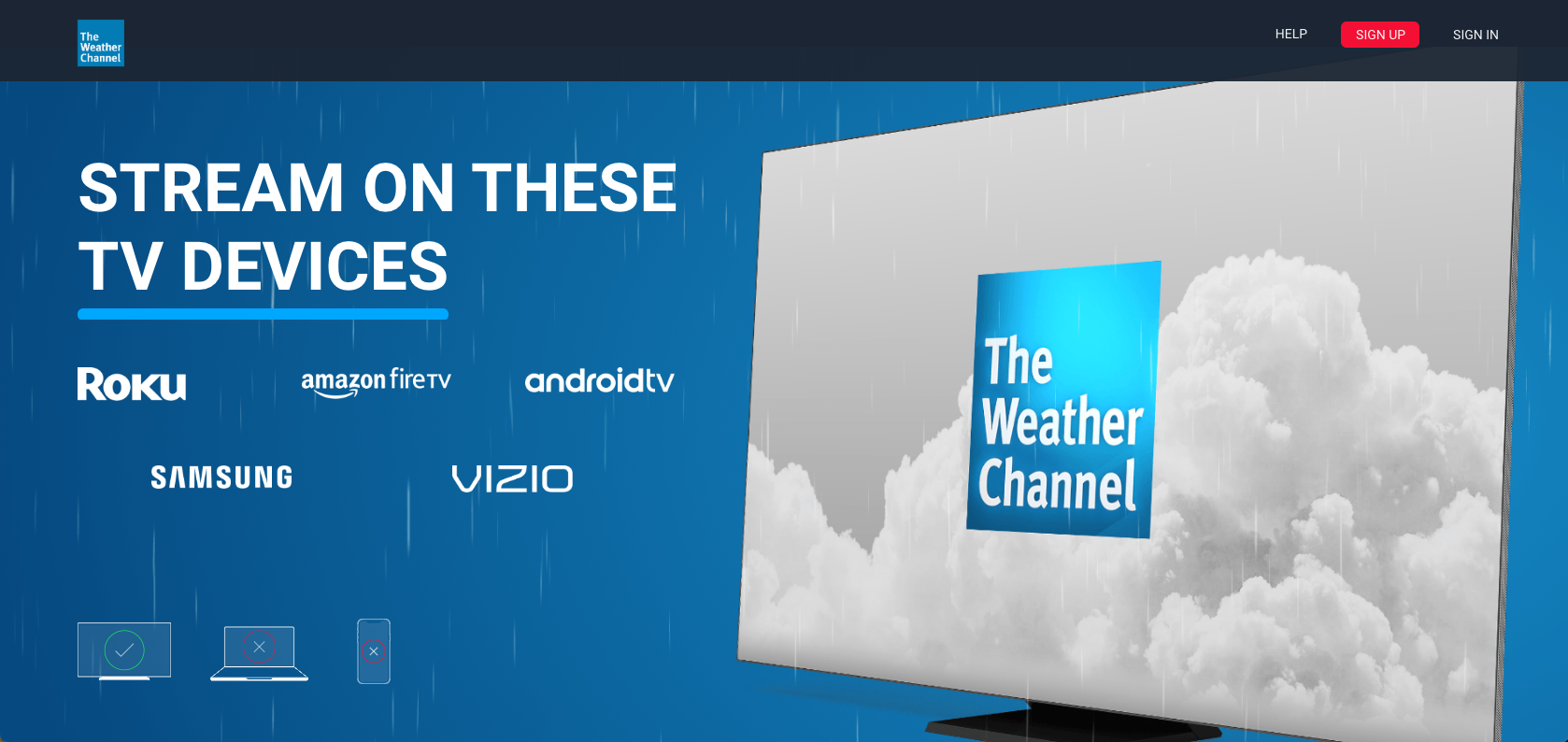
Our team developed native applications for six major TV platforms alongside a companion web portal for subscription management, creating a cohesive digital experience that positioned The Weather Group to compete effectively in the evolving streaming media landscape.
Project Scope
The rebuild encompassed a complete ground-up redevelopment of The Weather Group's streaming applications, combining a client-provided redesign with an entirely new technical foundation. Our approach prioritized performance, accessibility, and scalability while introducing premium features to support new revenue streams.
My Role
As Product Manager, I was the primary bridge between The Weather Group's stakeholders and three specialized engineering teams distributed across Atlanta, Denver, New York, Seattle, Illinois, and Guatemala — translating client vision into technically feasible, platform-specific requirements across all six OTT builds.
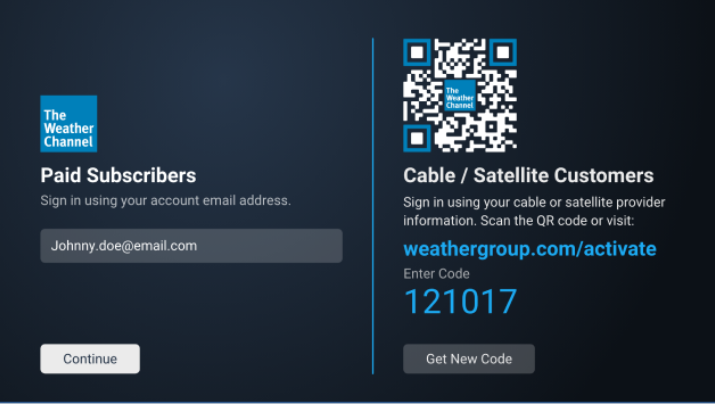
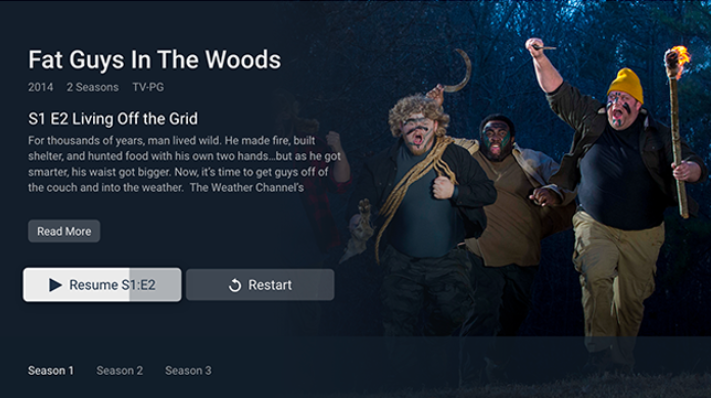
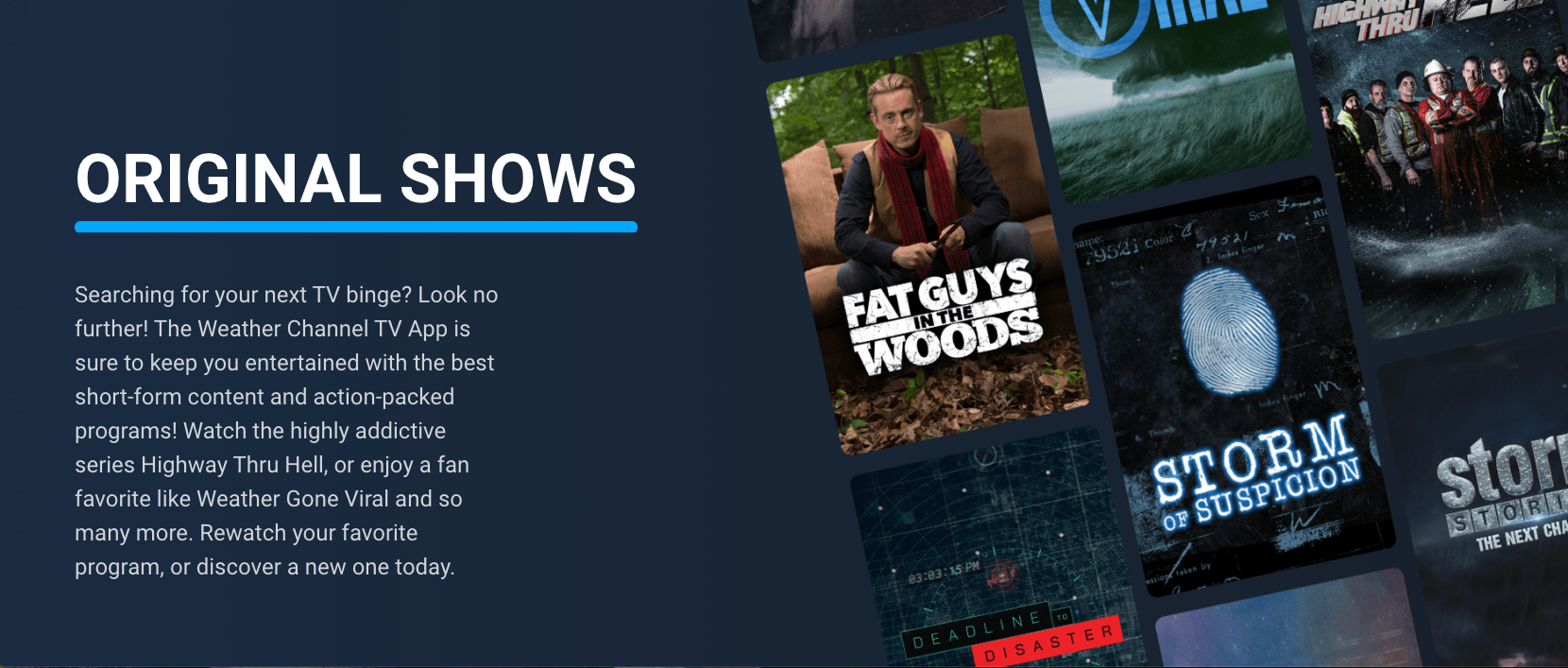
I owned the complete product roadmap end-to-end: writing and managing tickets, leading backlog refinement sessions, and ensuring engineering had unambiguous, documented requirements at every sprint. I led accessibility research across all platforms, establishing the WCAG 2.1 AA compliance standards implemented across every build. I designed the subscription workflow diagrams — mapping every user access scenario, platform constraint, and payment processing requirement — that became the source of truth for both design and engineering. I also architected the content structure for the short and long-form video carousel, defining how content rails were organized, sequenced, and surfaced across platforms.
I drove design sign-off cadences with our functional designers and The Weather Group stakeholders, ensuring every decision was grounded in both brand standards and technical reality. I became the team's subject matter expert on Lower Display Line graphics integration, owning the standard for how real-time weather data displayed against broadcast content.
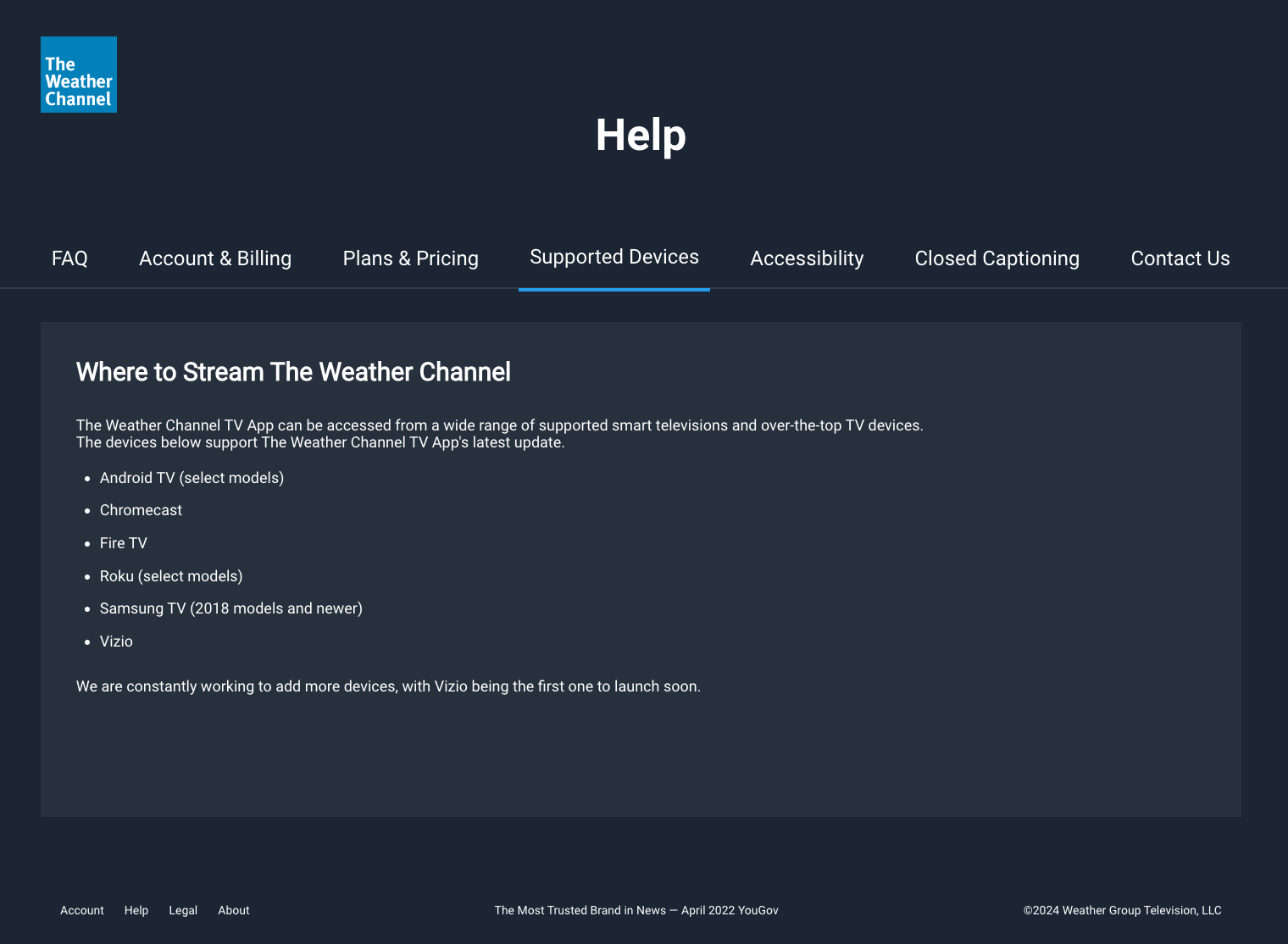
I organized and facilitated alignment sessions between IBM's technical team and our engineering leads — coordinating on data formats, update frequencies, and integration handoffs to keep the weather API delivery on track. I personally tested builds across five platforms with physical hardware — Roku, Fire TV, Xfinity TV, Android TV/Chromecast, and Samsung via emulator — with Vizio validation handled by our internal QA team. I triaged bugs and prioritized functional updates across all six concurrent builds. Post-launch, I created the resource documentation and maintenance guides that enabled The Weather Group's internal teams to operate and iterate on the platform independently.
Engagement Approach
Discover & Define
Conducted hands-on accessibility research to establish platform-specific WCAG 2.1 AA standards, mapped the full subscription workflow across all user access scenarios, and documented detailed requirements tailored to each platform's unique constraints. Every engineering team received a targeted spec — not a one-size-fits-all document.
Build & Align
Led active backlog refinement sessions throughout delivery, writing and managing tickets to keep three distributed engineering teams unblocked and directionally aligned. Facilitated regular stakeholder sign-off cadences with The Weather Group to catch misalignments before they became rework.
Validate & Launch
Personally tested builds across five platforms with physical hardware — Roku, Fire TV, Xfinity TV, Android TV/Chromecast, and Samsung via emulator — with Vizio validation handled by our internal QA team. Triaged bugs and prioritized functional updates across all six concurrent builds against sprint timelines.
Sustain & Hand Off
Authored post-launch maintenance documentation and operational resource guides that enabled The Weather Group's internal teams to manage and iterate on the platform independently — reducing ongoing agency dependency.
Challenges
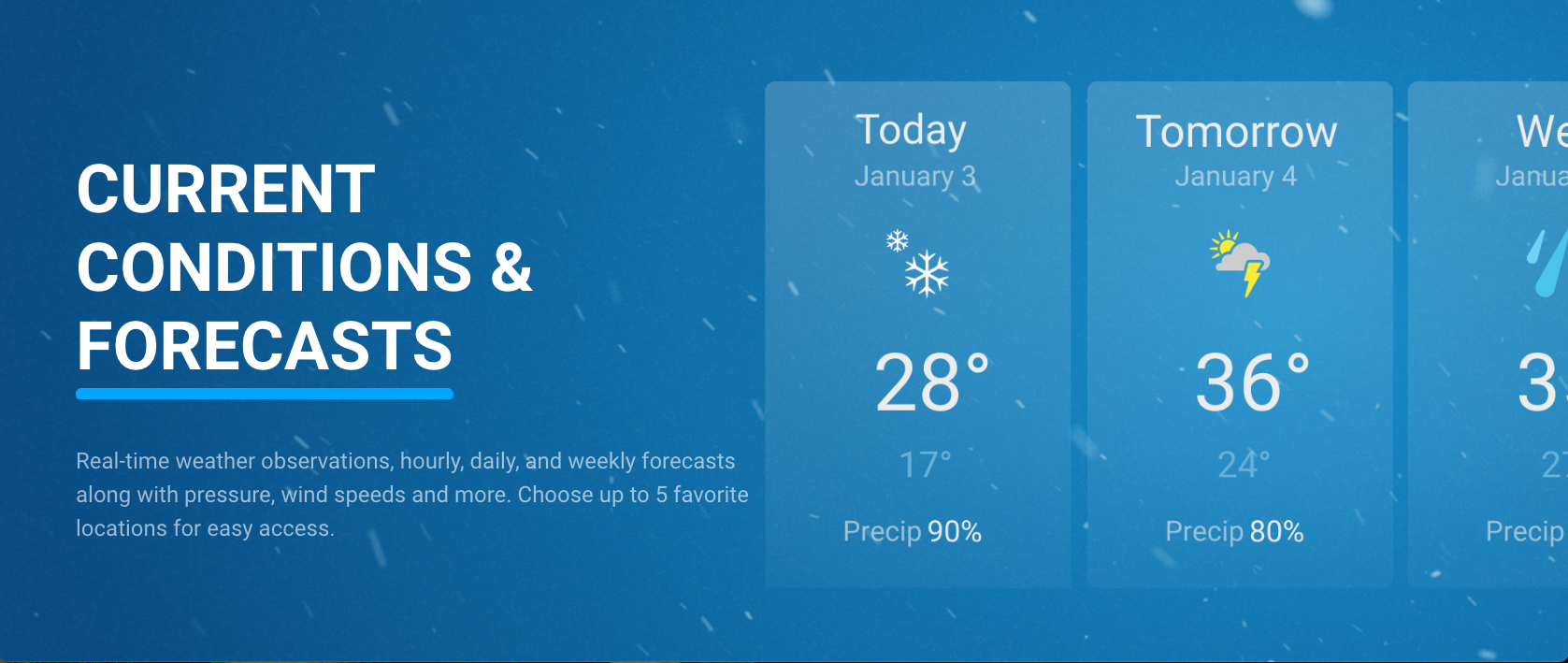
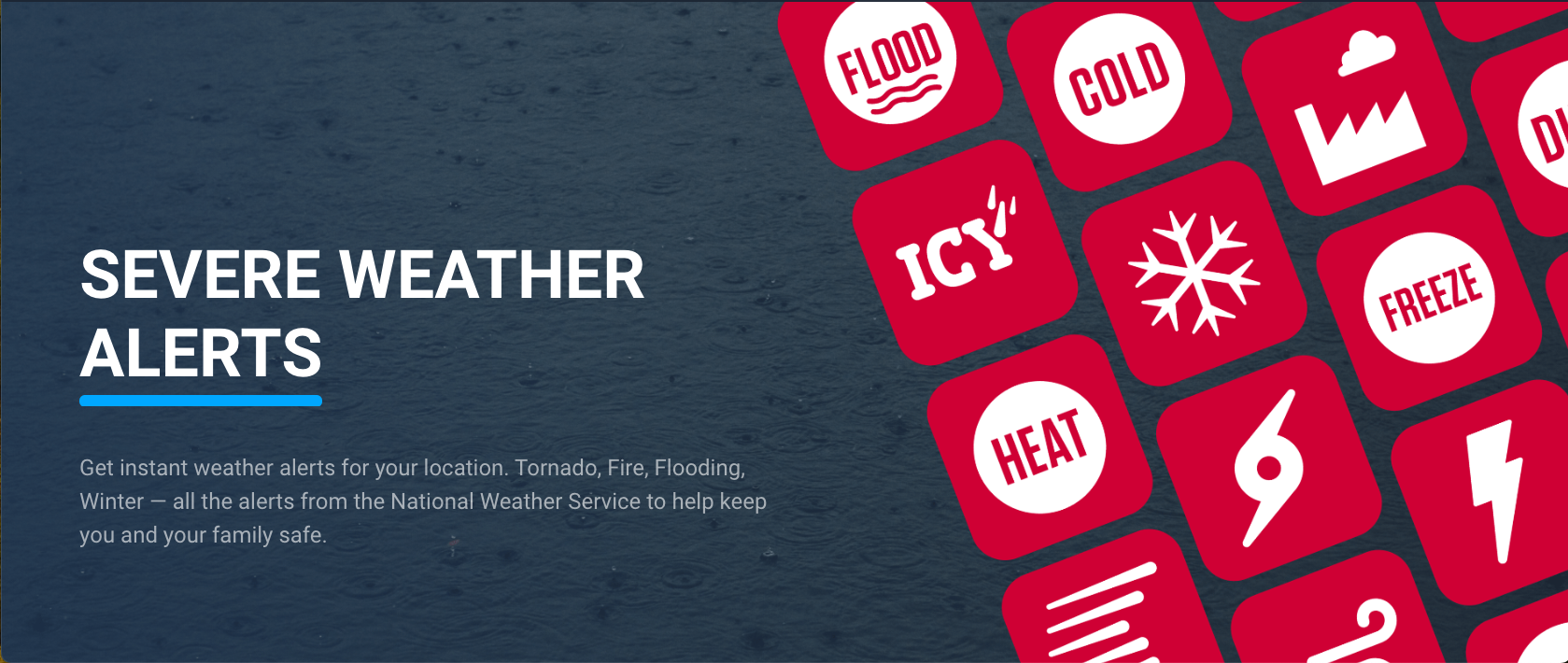
TV remote navigation required fundamentally rethinking user flows designed for touch and mouse. Creating directional-button browsing that felt natural — while keeping critical weather data accessible during severe events — had to work across six platforms, each with distinct interaction constraints.
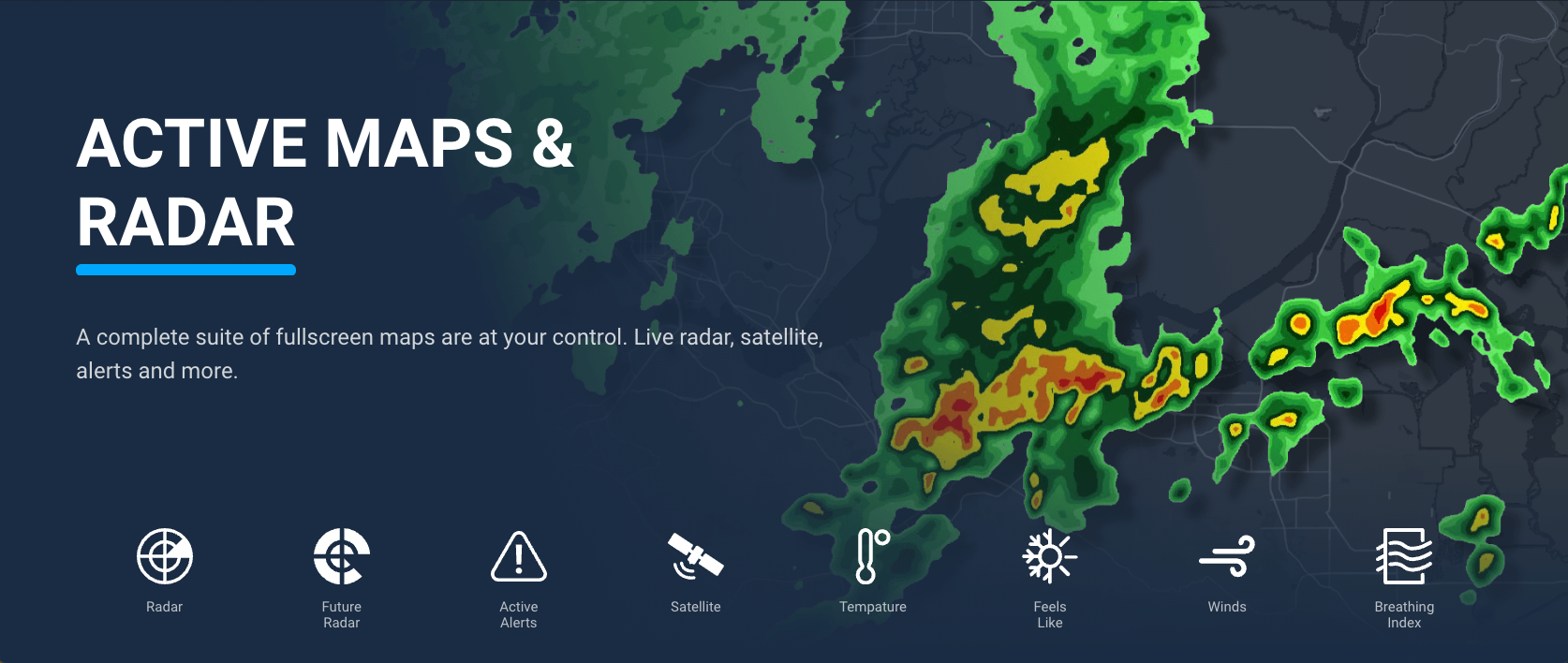
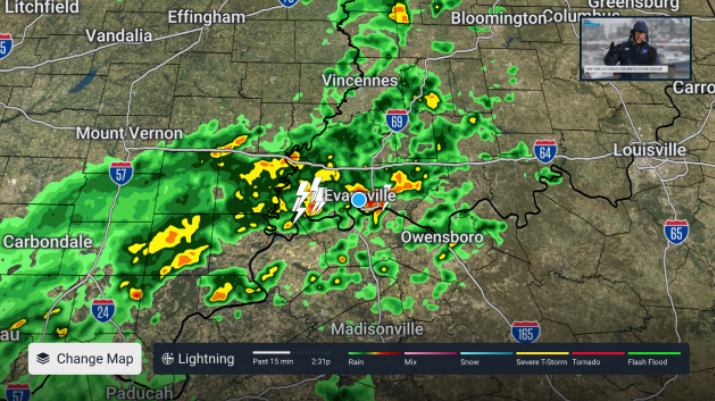
Integrating seven map API layers with IBM's real-time weather data required careful architecture planning, fallback strategies for outages, and consistent visual rendering across varying data formats — all optimized for TV display specifications and remote rendering constraints.
Each platform enforced its own payment processing, authentication, and entitlement requirements — making consistent subscription flows across six closed TV ecosystems a significant design and technical challenge. Every workflow had to accommodate platform-specific constraints while keeping the user journey from trial signup through renewal clear and on-brand.
Business Artifacts
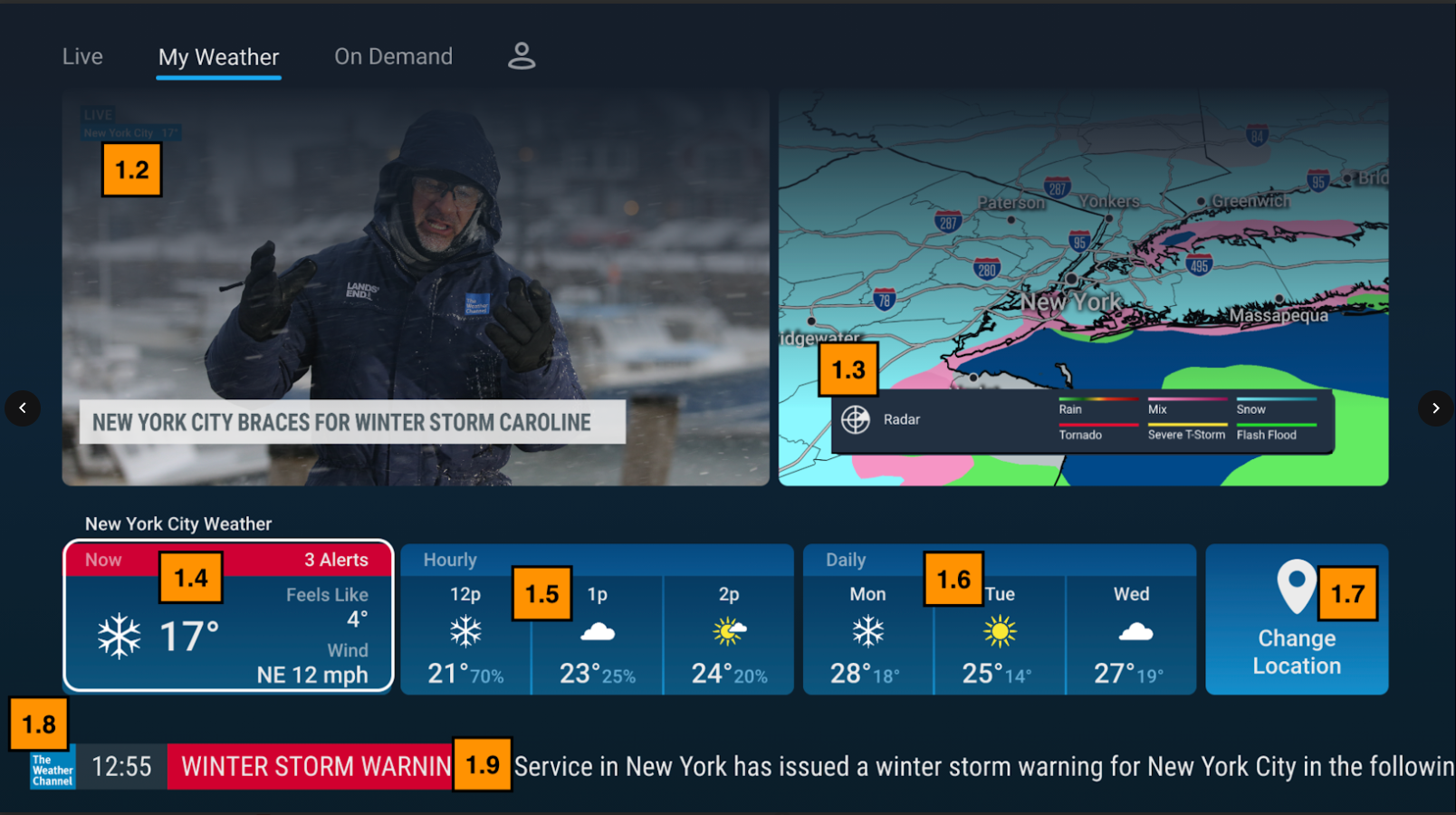
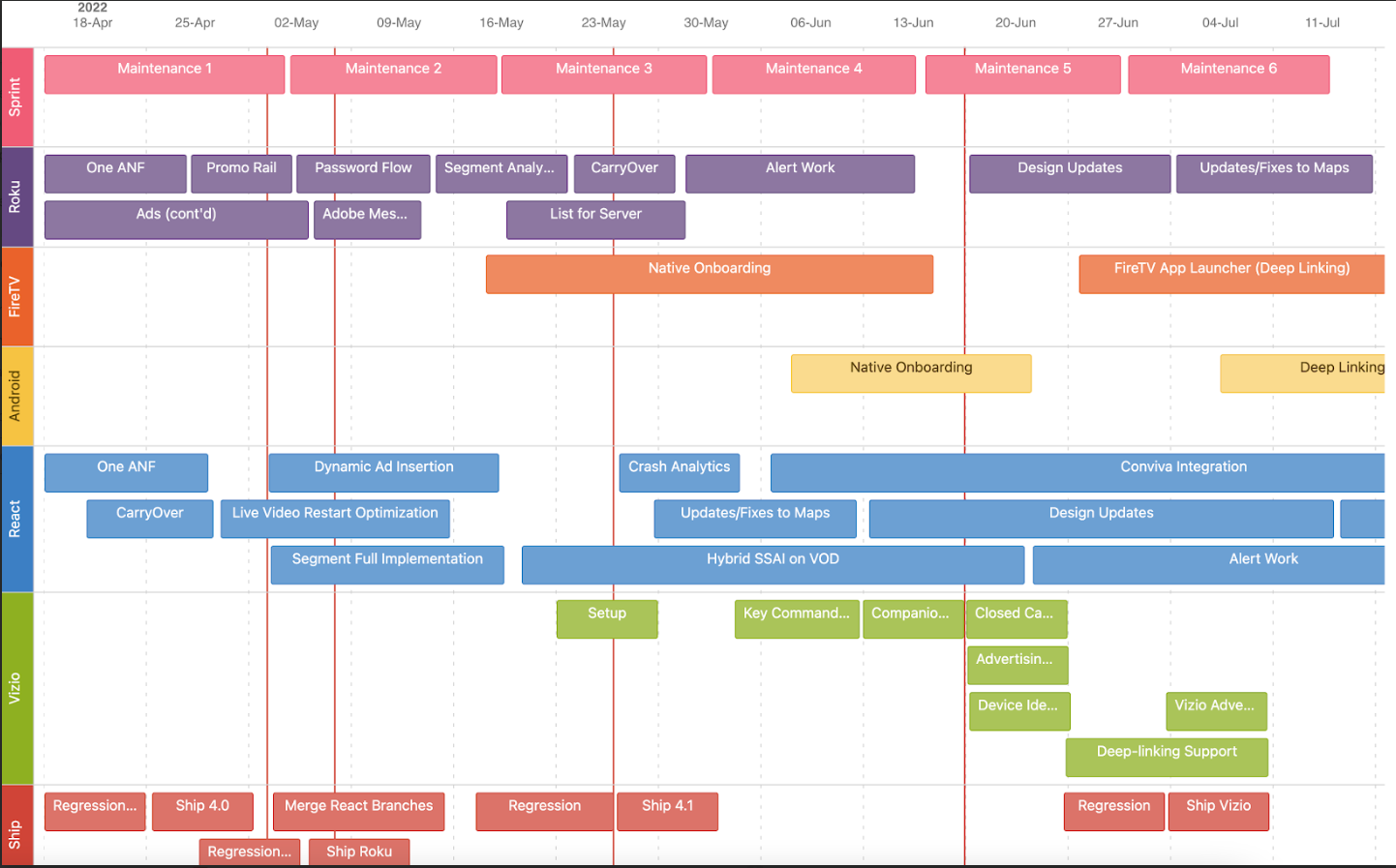
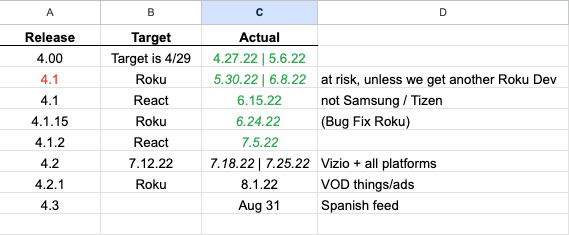
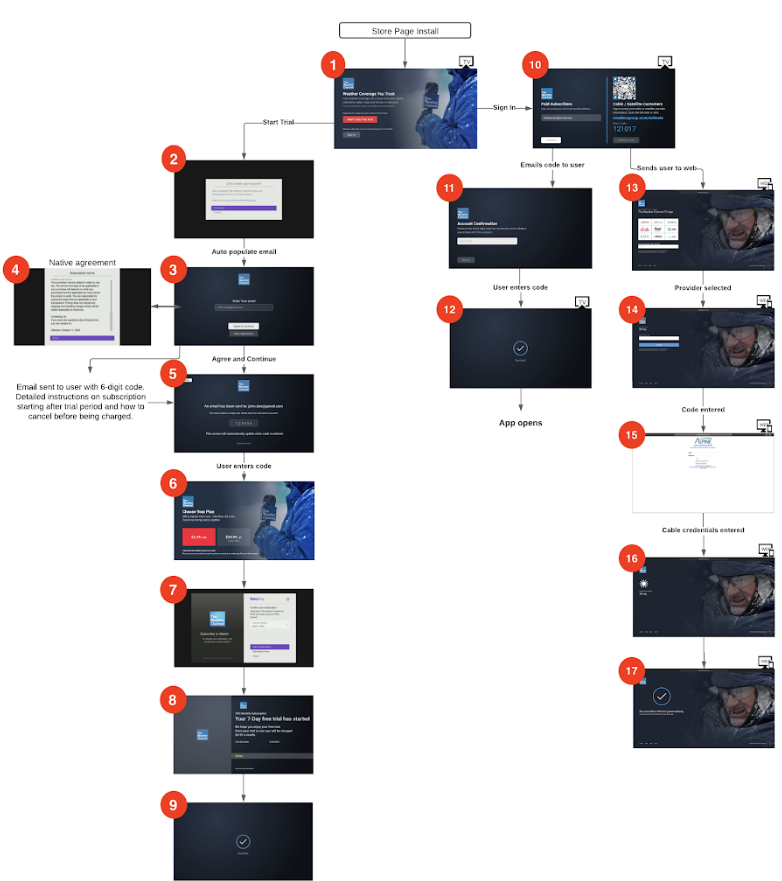
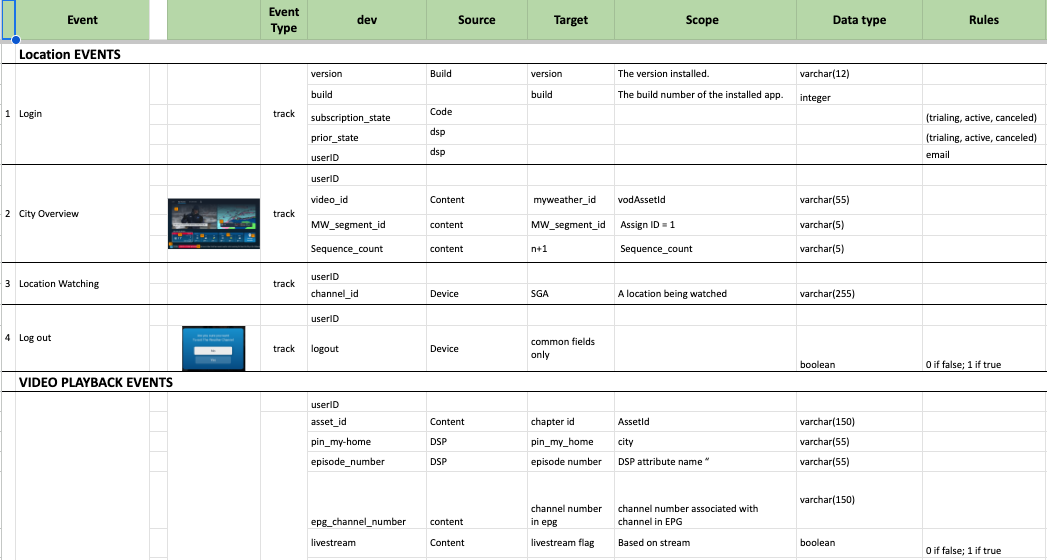
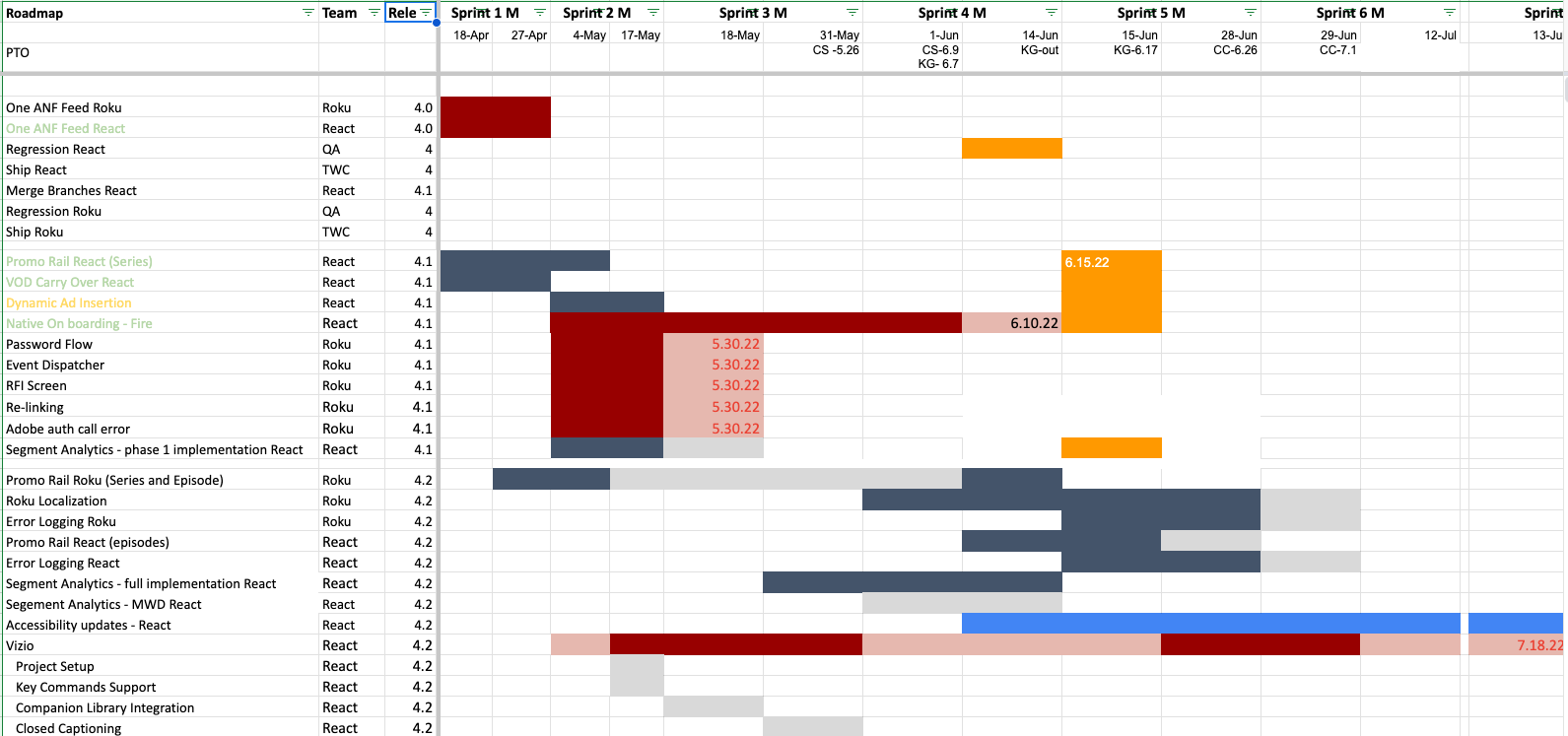
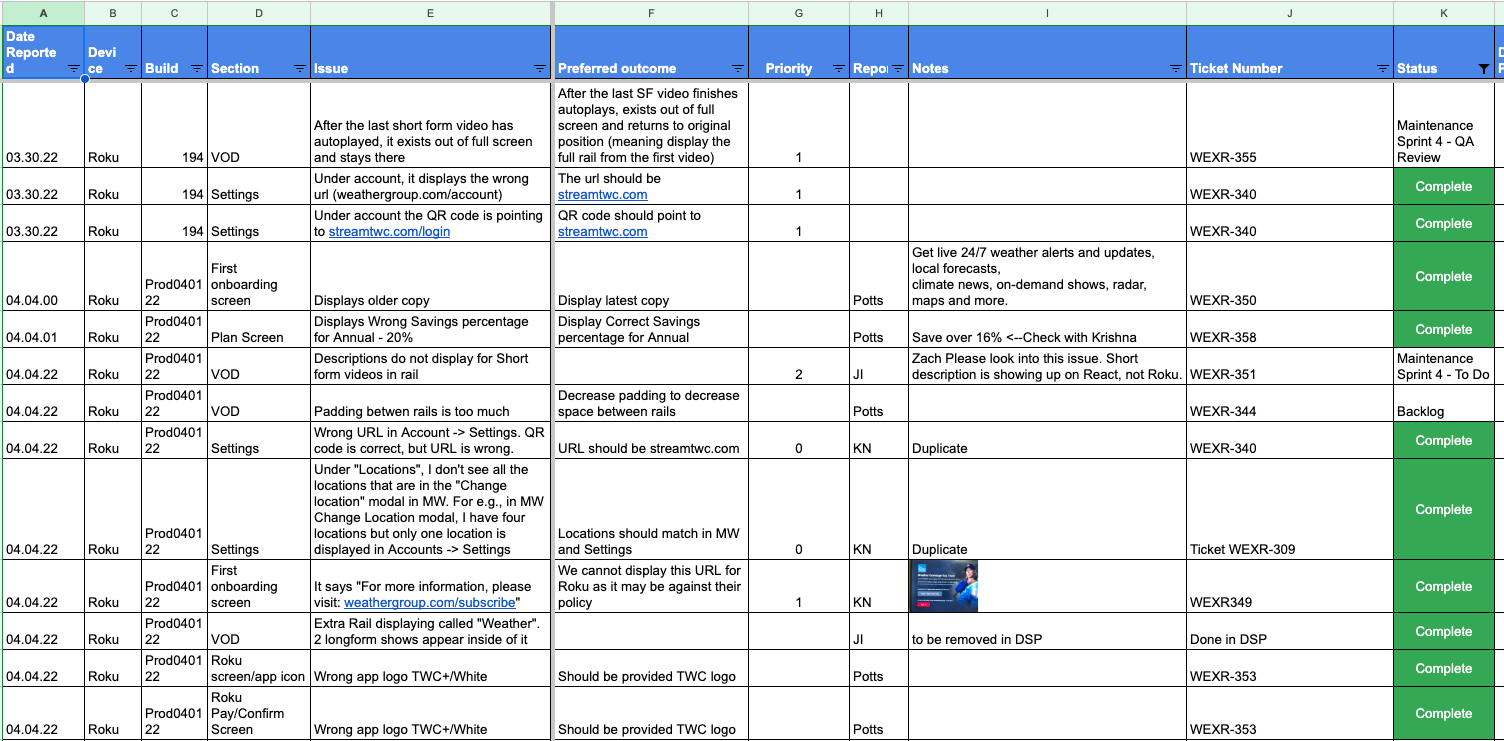
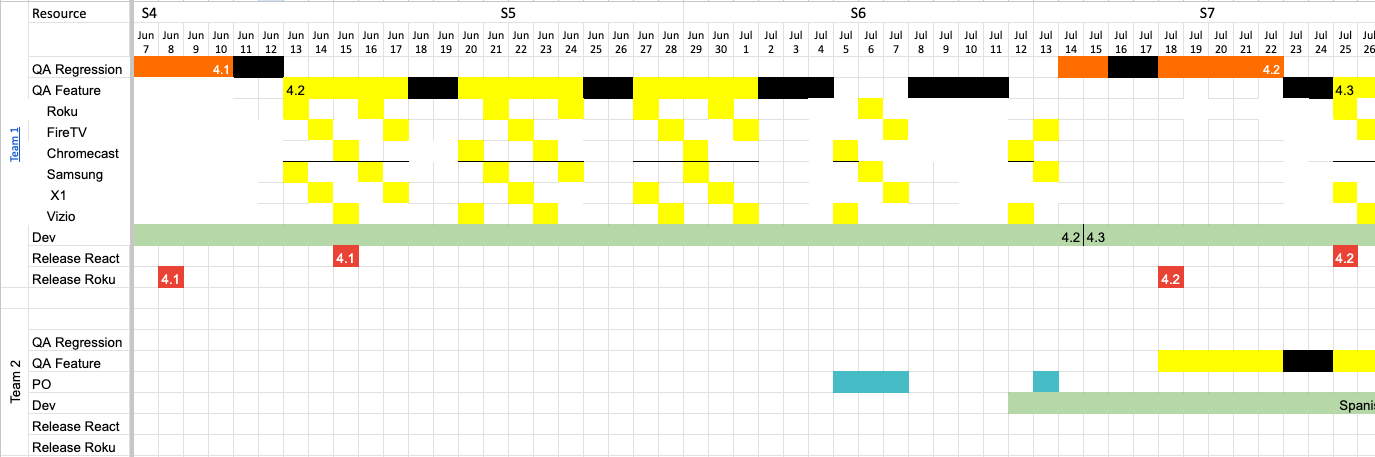
Product Screens
Outcome
The launch of the unified OTT platform marked Allen Media Group's first direct-to-consumer product — a strategic milestone that established a new revenue stream through a three-tier subscription model and extended The Weather Group's reach across six major streaming ecosystems simultaneously. Delivering WCAG 2.1 AA compliance across all platforms set a new accessibility standard for weather content on connected TV, in an industry where no formal guidelines yet existed.
The platform launched in April 2022 with 9,000+ active subscriptions in its first month, across six platforms — Roku, Fire TV, Android TV, Samsung, Xfinity, and Vizio — with a 30% reduction in crash rate from the legacy Roku application. Allen Media Group had successfully transitioned from a content provider to a direct subscription business on connected TV.
Lessons Learned
When a third-party API provider is mid-migration, integration timelines need to account for moving targets. IBM's model upgrades introduced specification changes mid-project that required us to adapt integration requirements on the fly. Building explicit API versioning checkpoints into the project schedule would have provided earlier visibility into those shifts.
TV app accessibility operates without a universal standard. WCAG 2.1 AA applies to web and mobile but has no direct TV equivalent — leaving each platform to define its own guidelines, some more developed than others. Rather than defaulting to web standards, I researched best-in-class TV apps including Netflix and Amazon Prime as accessibility benchmarks, and built platform-specific compliance requirements for each build. This experience reinforced that on emerging platforms, a PM has to define the standard when none exists.
Staffing continuity is a project risk that deserves explicit contingency planning. This project lost three senior team members within the first two months — the Technical Architect, Engineering Lead, and Project Manager — requiring contractor backfills and cross-functional adjustments that pushed the go-live from the original December 2021 target to April 2022. As the Product Manager, I operated in a separate silo from the project management function, but navigated the team transitions in parallel — onboarding new contractors, maintaining requirements clarity, and keeping engineering aligned through periods of instability. In hindsight, resource continuity contingencies and staffing buffers should be standard in any enterprise engagement of this complexity — something I now advocate for in project planning.