Project Overview
The United States Marine Corps (USMC) has partnered with Wunderman Thompson Atlanta as their agency of record for over 70 years. Squad Bay serves as the Marine Corps' primary recruitment application, connecting Prospects, Poolees, and Officer Candidates with their Recruitment Officers to facilitate preparation for basic training, knowledge building, camaraderie development, and transition into Marine Corps life.
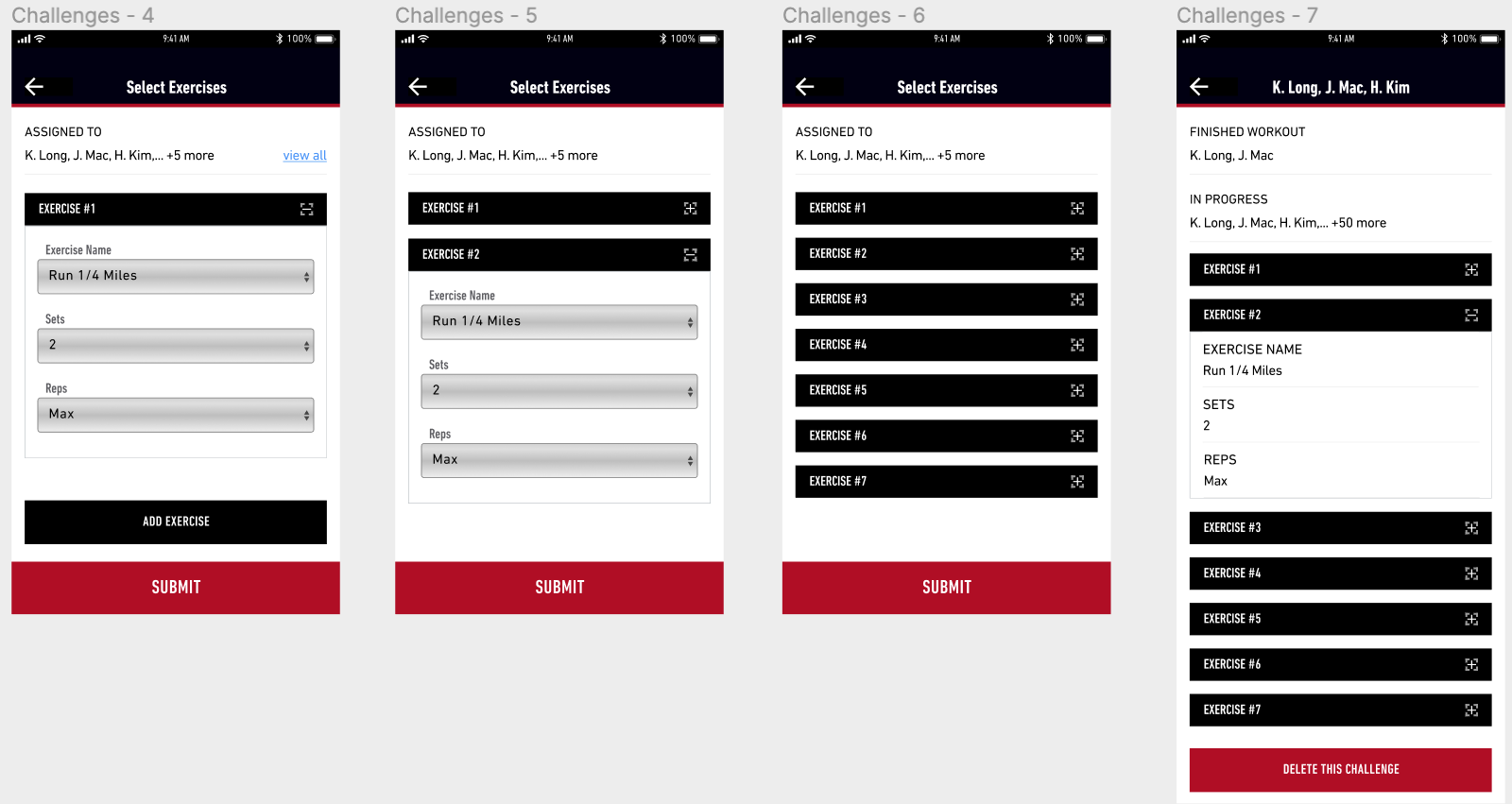
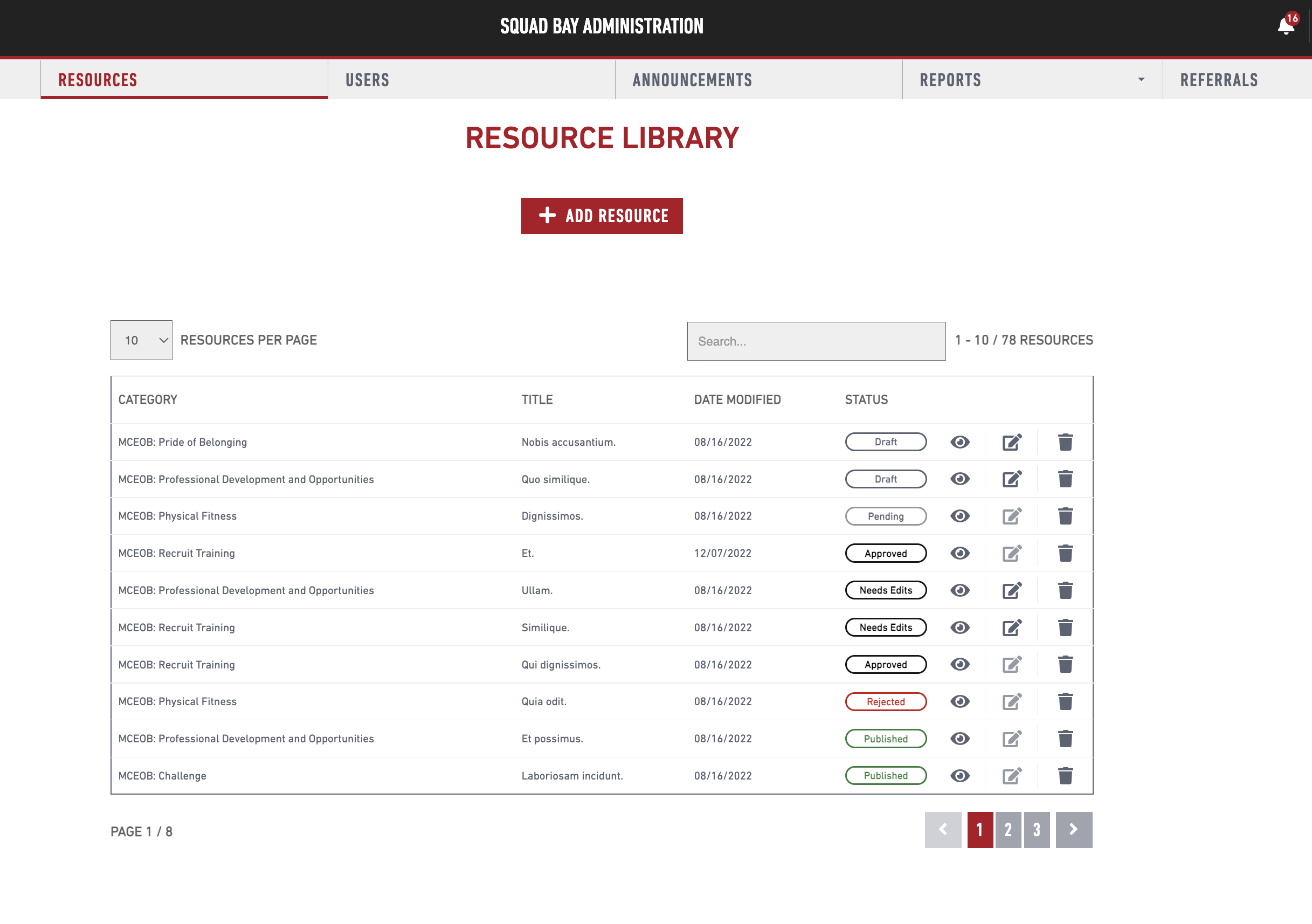
The Wunderman Thompson Apps team also developed and maintained a companion administrative web portal, enabling commanding officers to manage resource requests, create challenges, and distribute notifications across division, regional, and local levels within the recruitment structure.
Project Scope
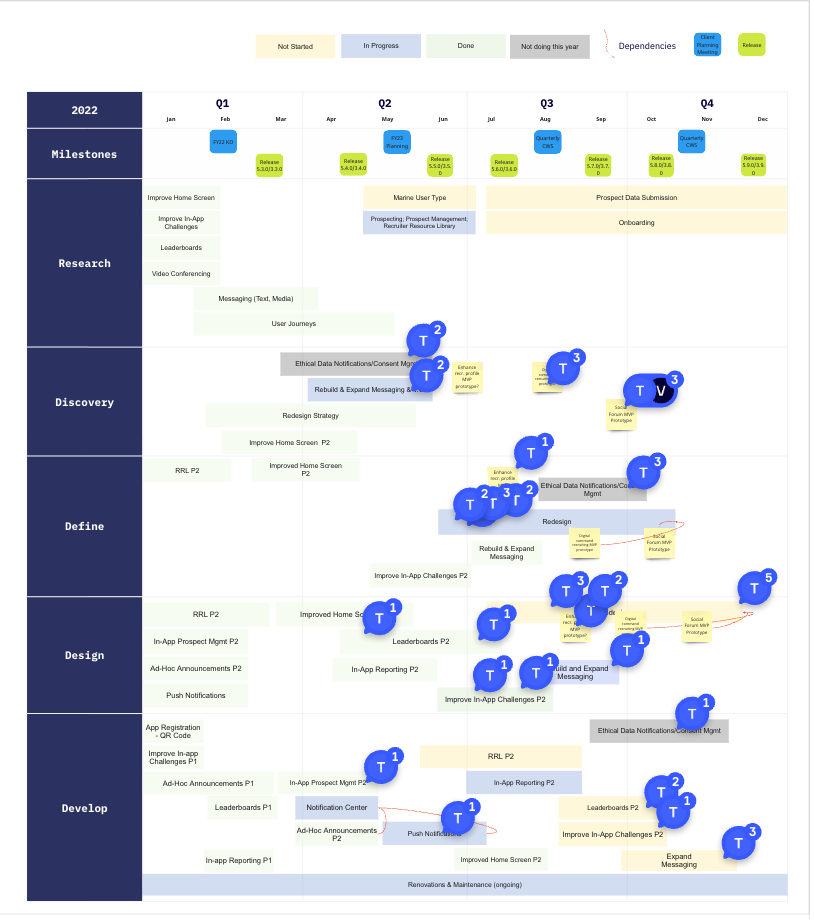
When I joined the team in 2022, the annual product roadmap was already established, positioning the digital platform in a strategic growth phase. Our focus centered on enhancing existing functionality while introducing new features to expand user engagement and recruitment effectiveness.
My Role
I joined as Product Manager with a focus on Product Strategy, while also mentoring the design team on interaction design to optimize mobile user experiences. This engagement presented unique challenges as a dual-client project serving both our Atlanta office and the Marine Corps directly, developing a government-to-consumer recruitment application.
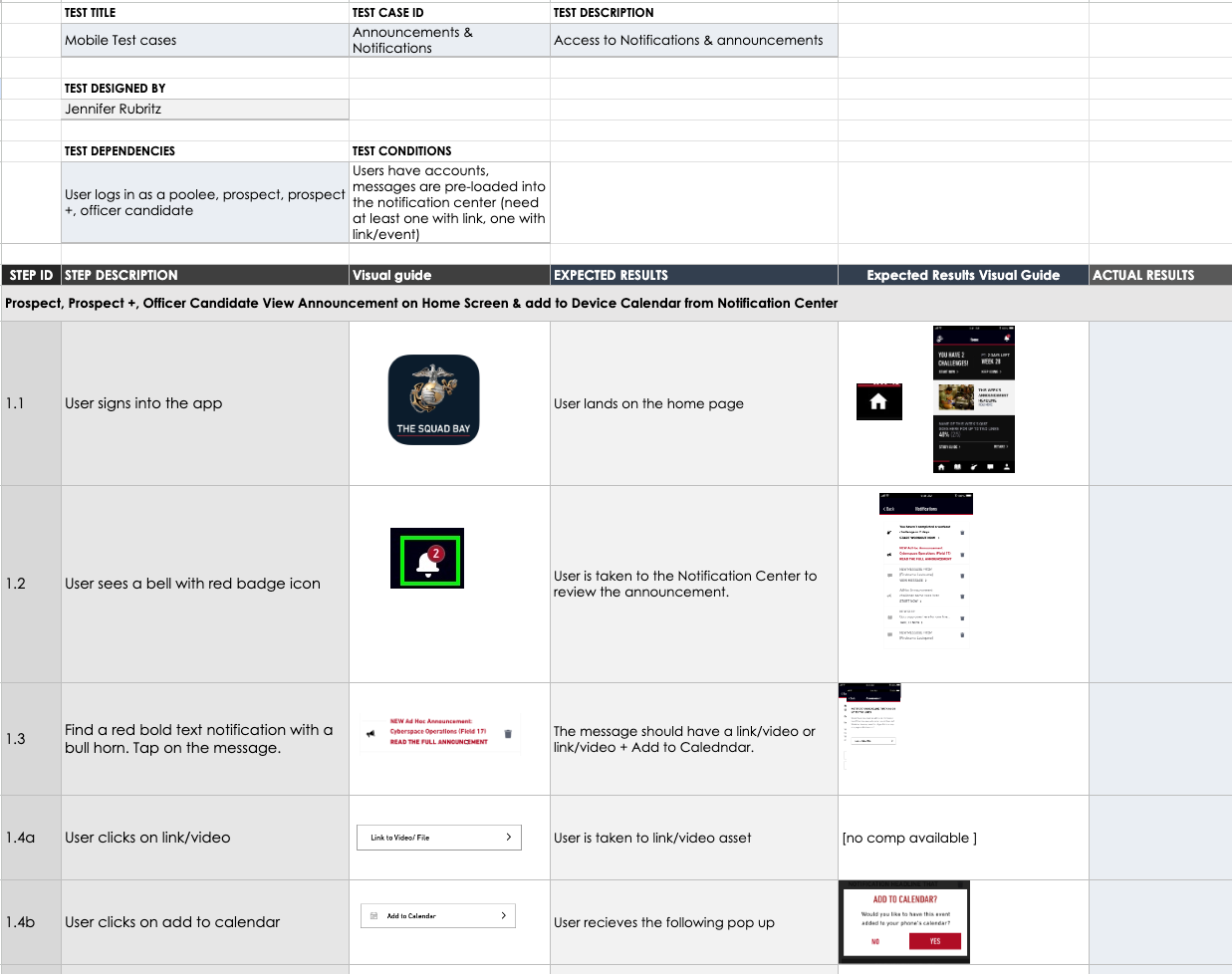
In this highly strategic role, I managed the complete product lifecycle including requirements discovery workshops, design collaboration sessions, and prototyping with our recruitment advisory board. I developed comprehensive end-to-end user testing scripts tailored to each user role for every release cycle and authored detailed release notes, in addition to standard product management responsibilities.
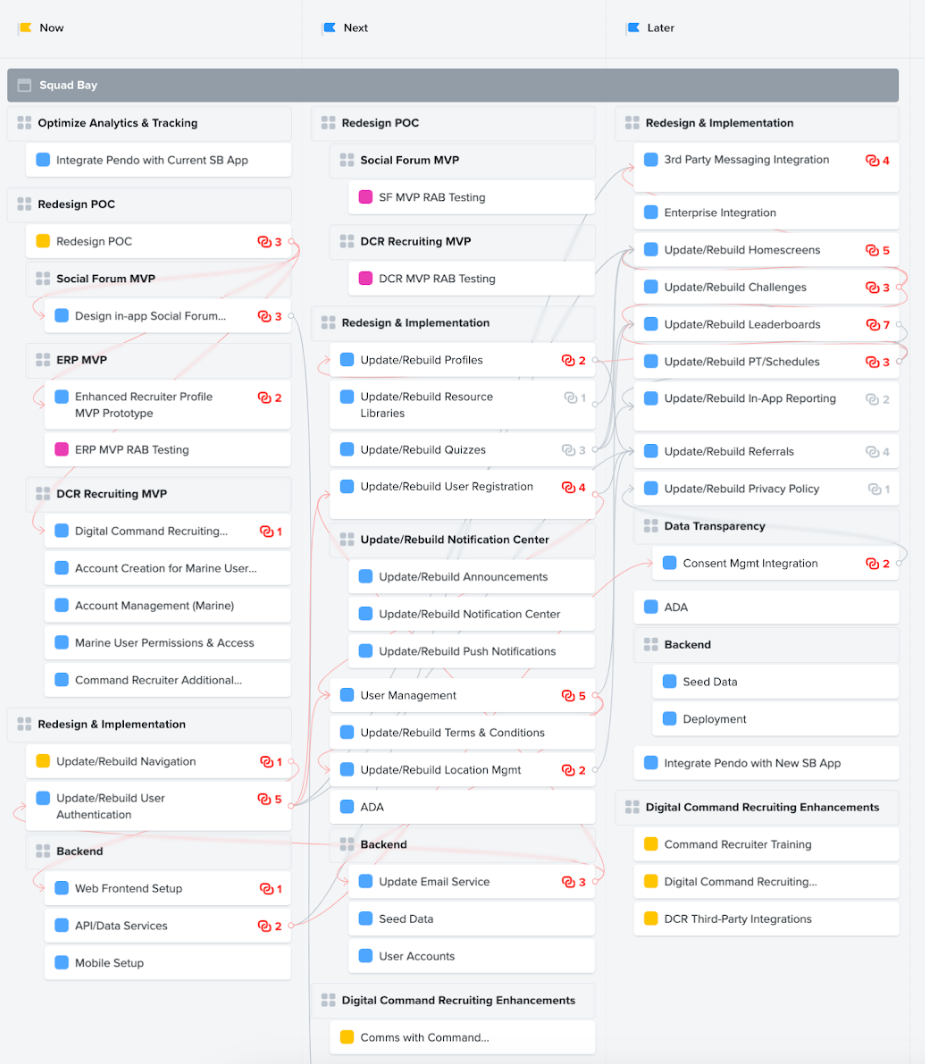
To prepare for a complete application and backend admin portal rebuild planned for 2023, I partnered with another product manager to migrate all app and portal epics and features into ProductBoard. Within this platform, I defined business objectives, established client priorities, outlined long-term feature goals, and assessed dependencies and blockers to inform strategic prioritization for future development phases.
Engagement Approach
Discover & Define
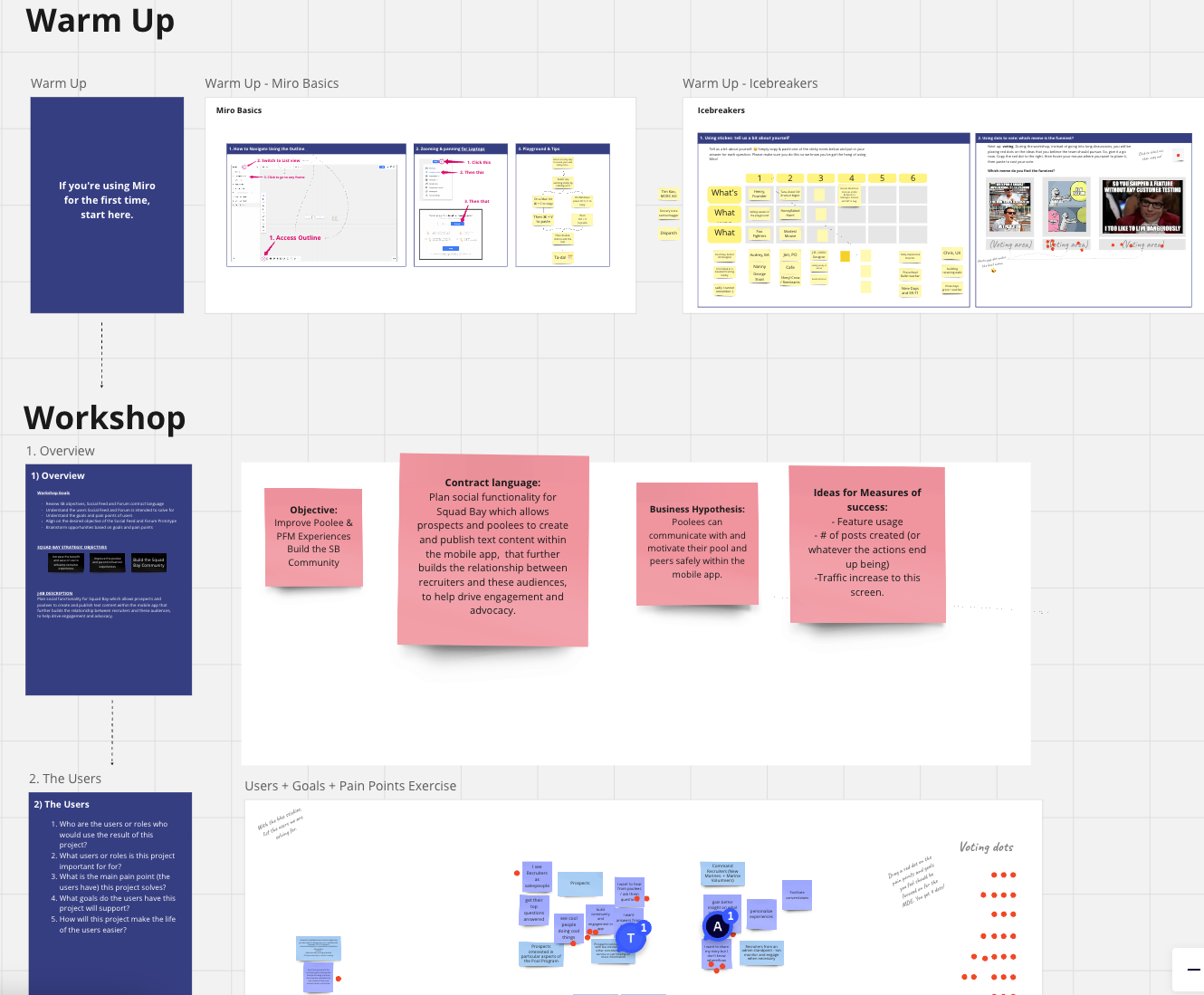
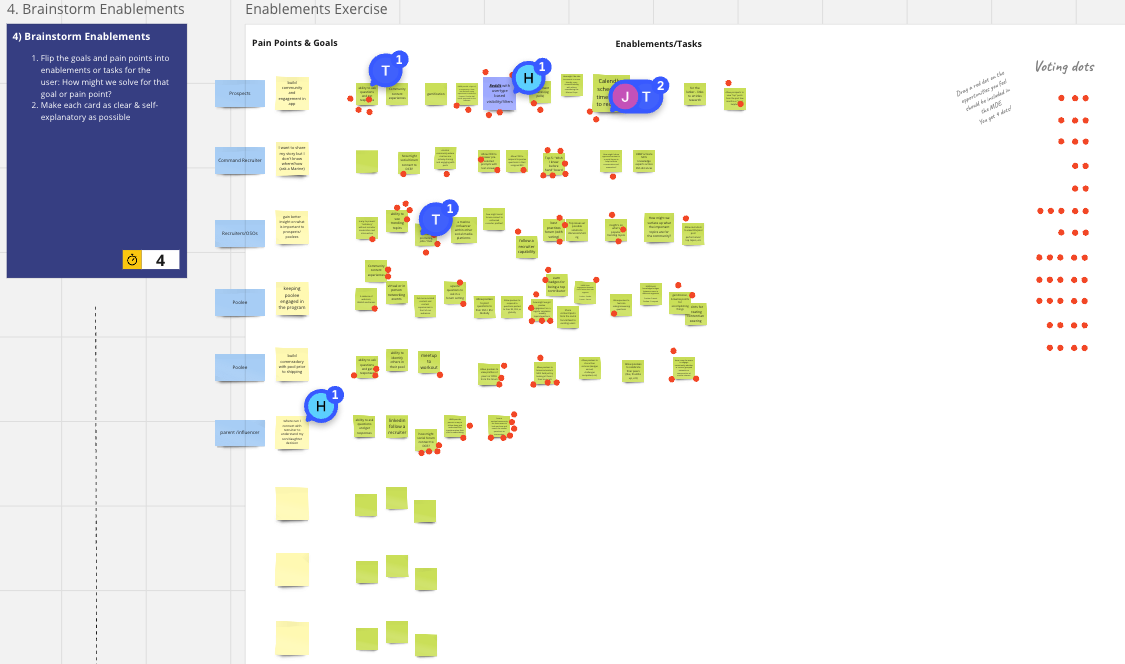
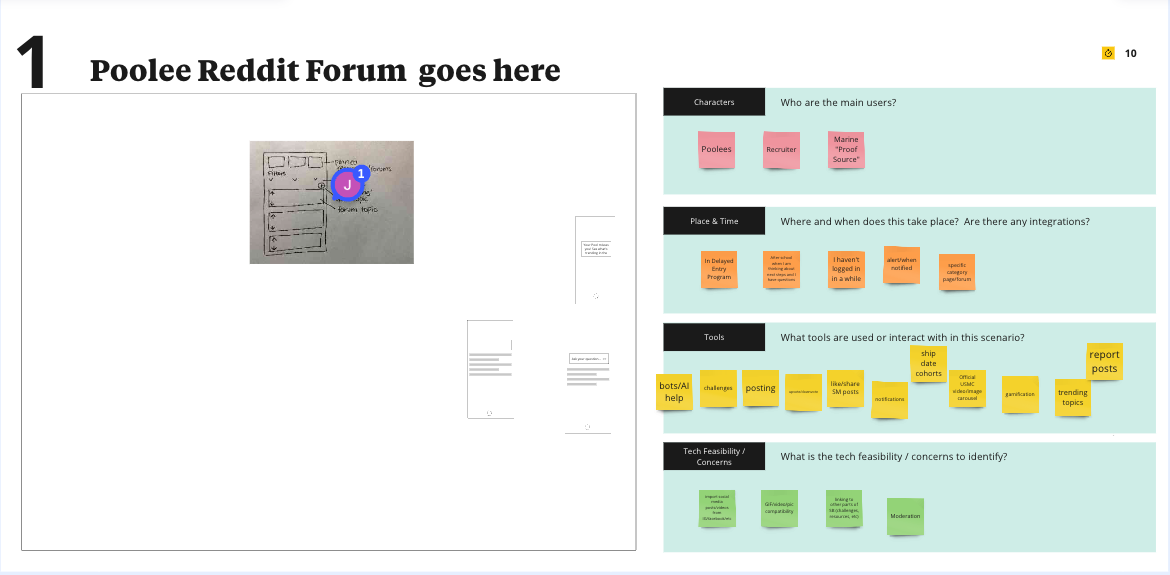
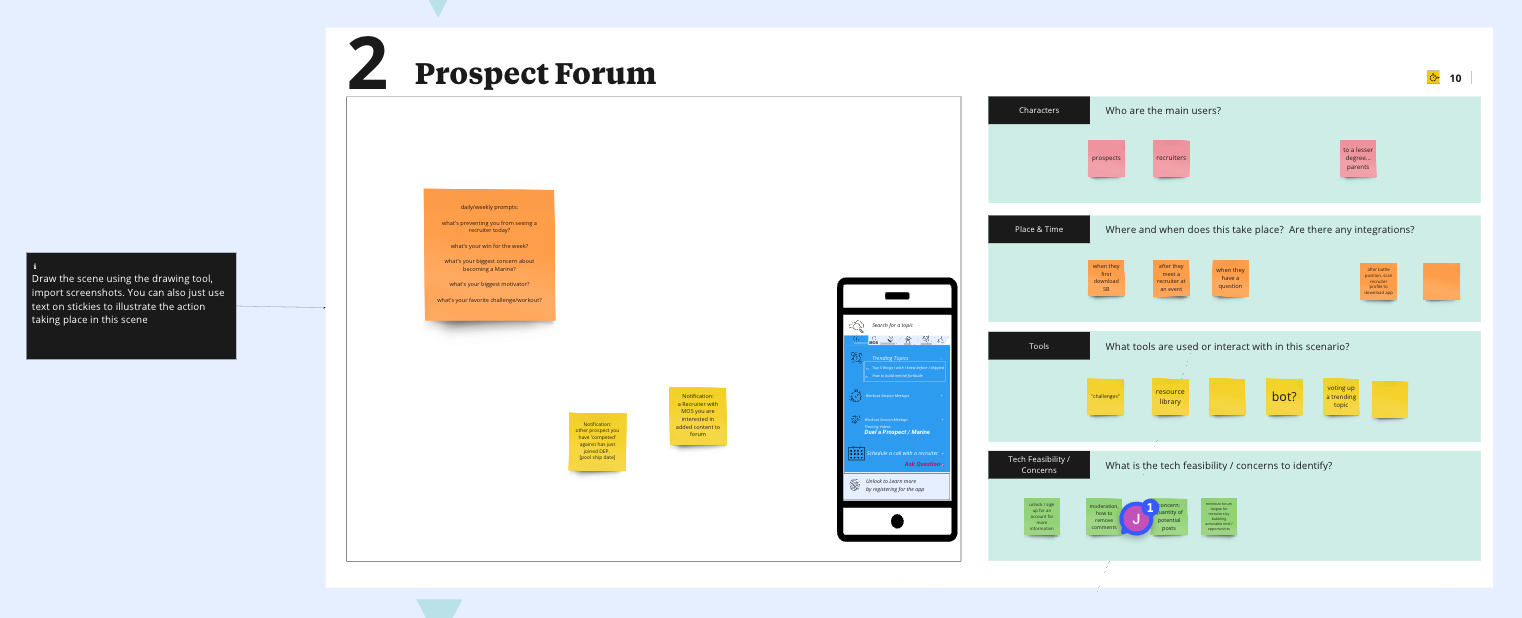
Led requirements discovery workshops and design collaboration sessions with our recruitment advisory board to align on user needs across five distinct personas — Prospects, Poolees, Officer Candidates, Recruiters, and Command Officers. Workshop outputs informed feature prioritization and set the strategic direction for the 2022 roadmap.
Prioritize & Plan
Partnered with a second PM to migrate all app and portal epics into ProductBoard, defining business objectives, client priorities, long-term feature goals, and dependency mapping to inform strategic sequencing for the planned 2023 platform rebuild. This work established a clean, prioritized foundation the next team could build from.
Build & Validate
Managed the full delivery cycle across six releases — writing user stories, facilitating backlog refinement, and developing comprehensive end-to-end user testing scripts tailored to each user role for every release cycle. Prototyped new features with the recruitment advisory board before committing to development, reducing late-stage rework.
Release & Communicate
Authored detailed release notes for each deployment, communicating feature changes and new functionality to MCRC stakeholders and internal teams. Maintained stakeholder alignment across both our Atlanta office and the Marine Corps client, navigating a dual-client engagement structure throughout the engagement.
Challenges
Balancing meaningful user interactions with stringent military content approval requirements presented ongoing challenges. All strategic communications required review and approval from Commanding Officers before dissemination, creating potential bottlenecks in real-time engagement while maintaining message consistency and brand compliance across the recruitment pipeline.
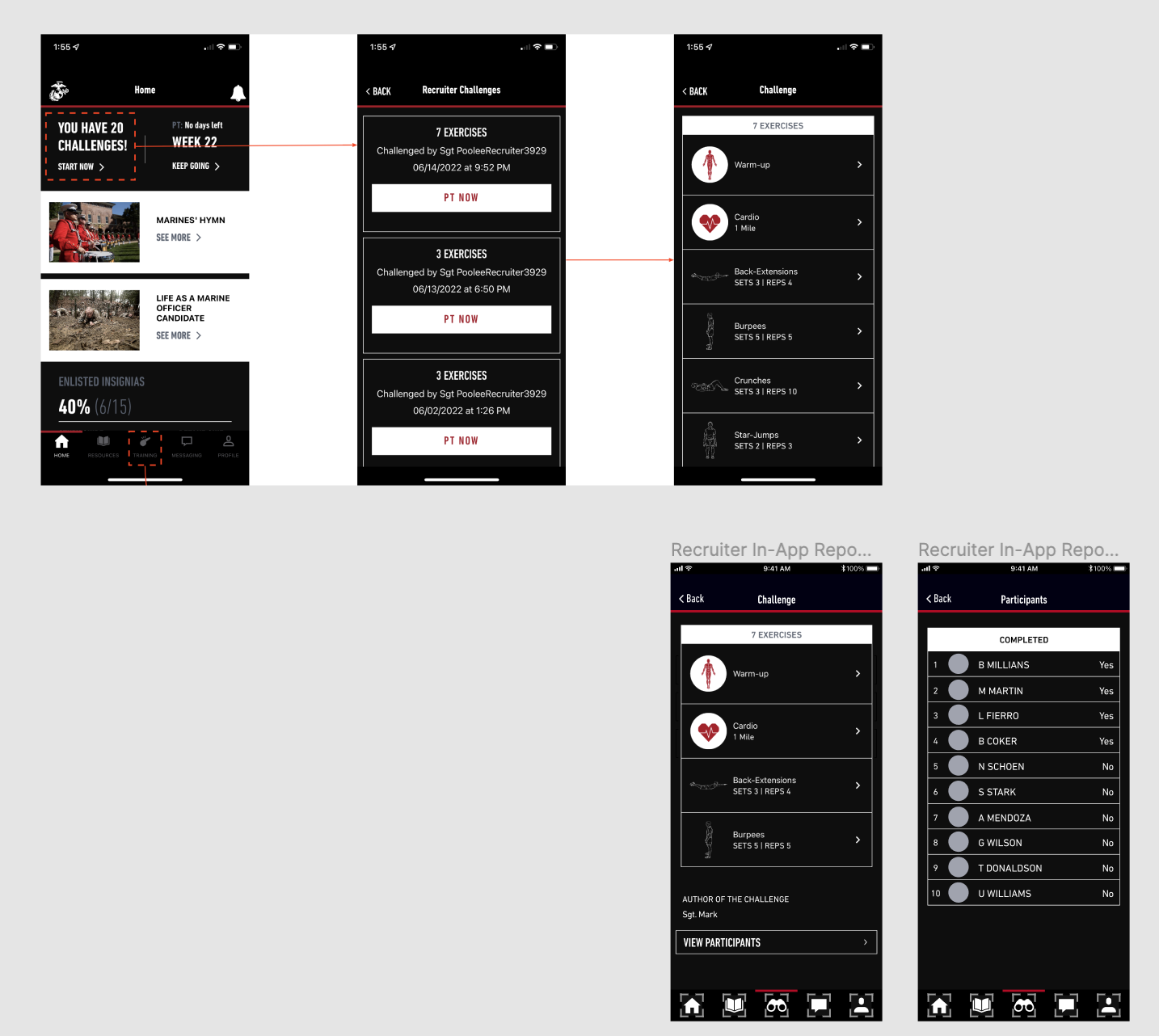
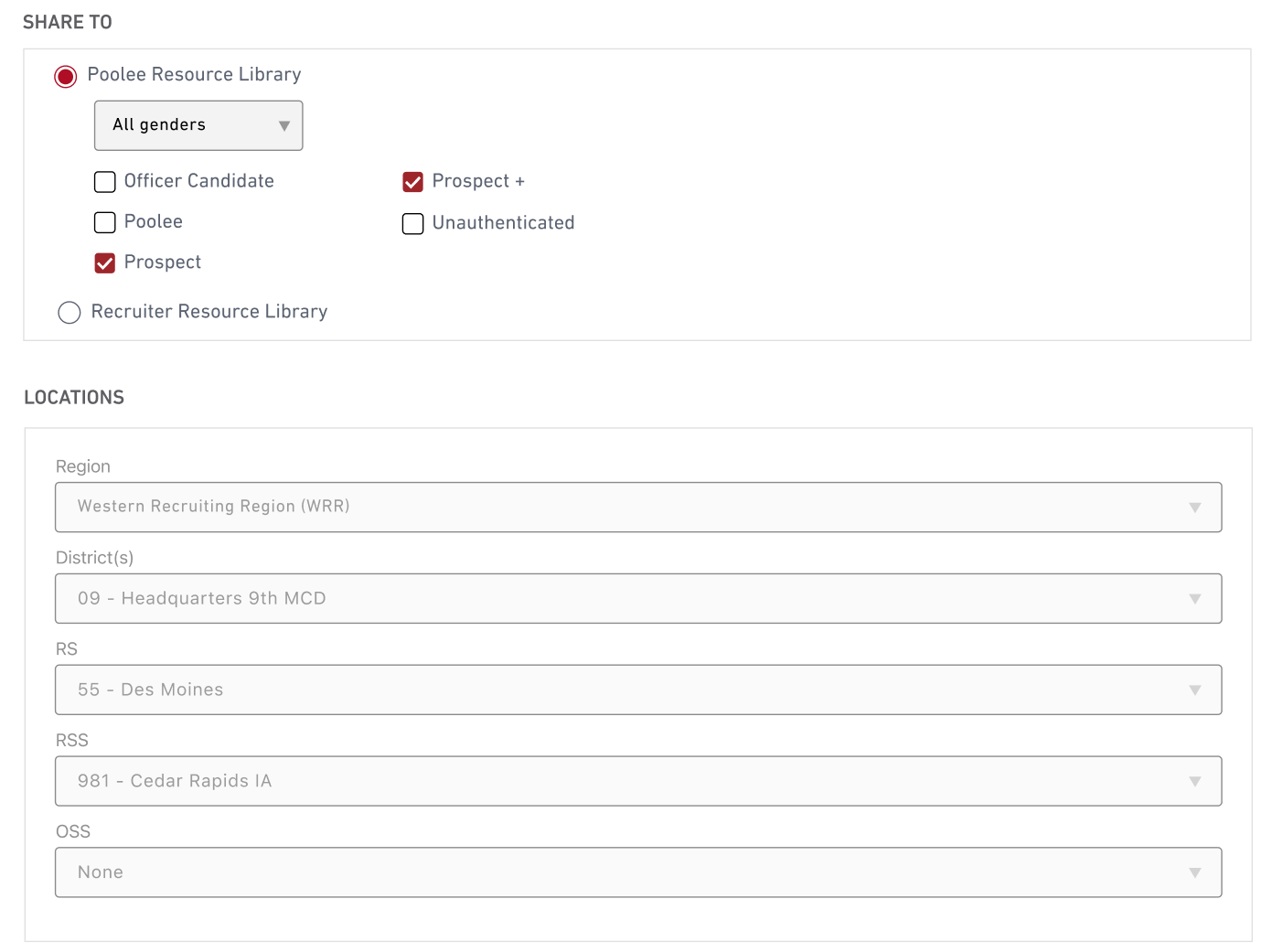
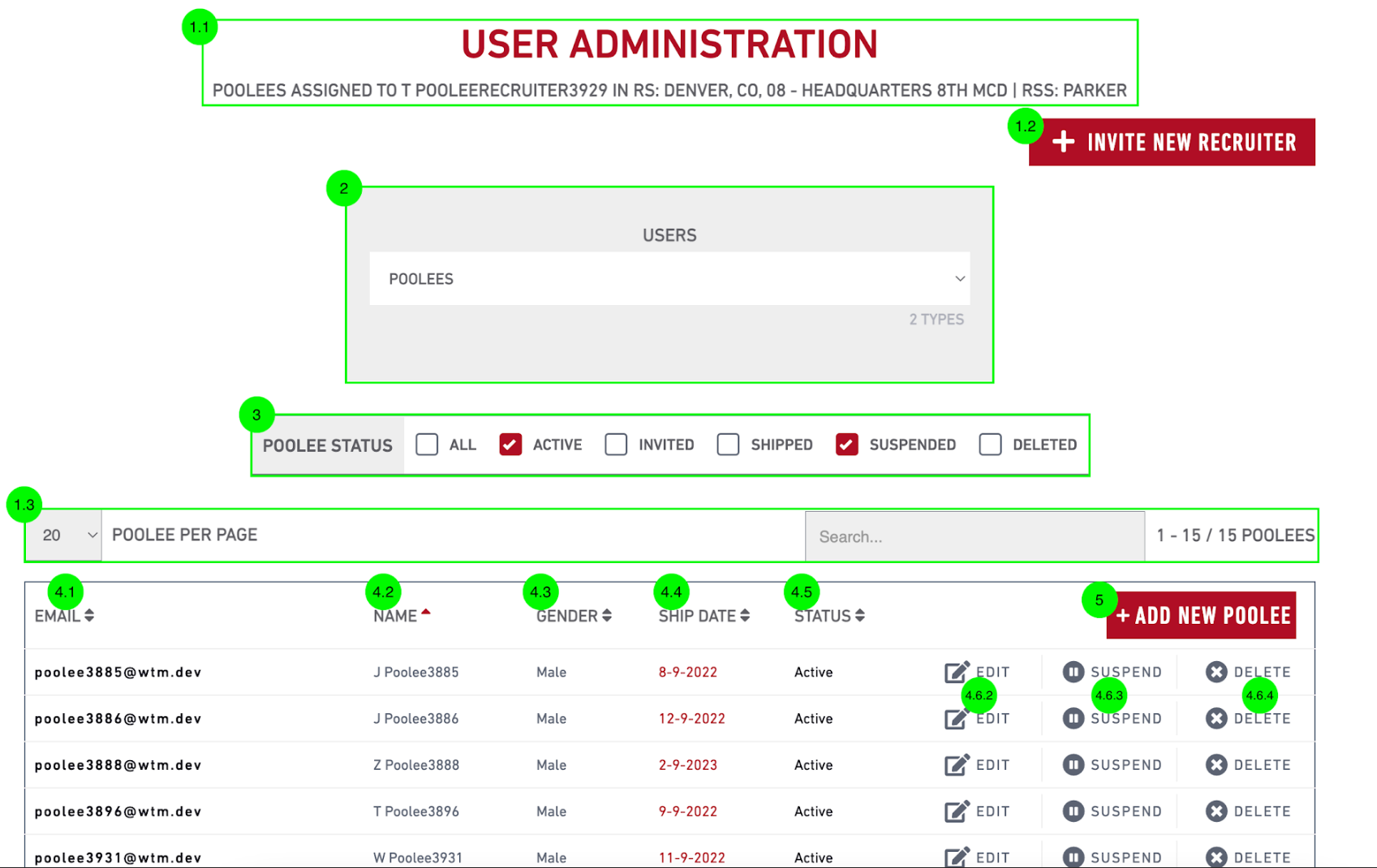
Designing intuitive interfaces for diverse user types (Prospects, Poolees, Officer Candidates, and Recruitment Officers) required careful consideration of varying needs, technical proficiency levels, and access permissions. Each role demanded distinct functionality while maintaining a cohesive platform experience that supported the recruitment journey from initial interest through military preparation.
Business Artifacts
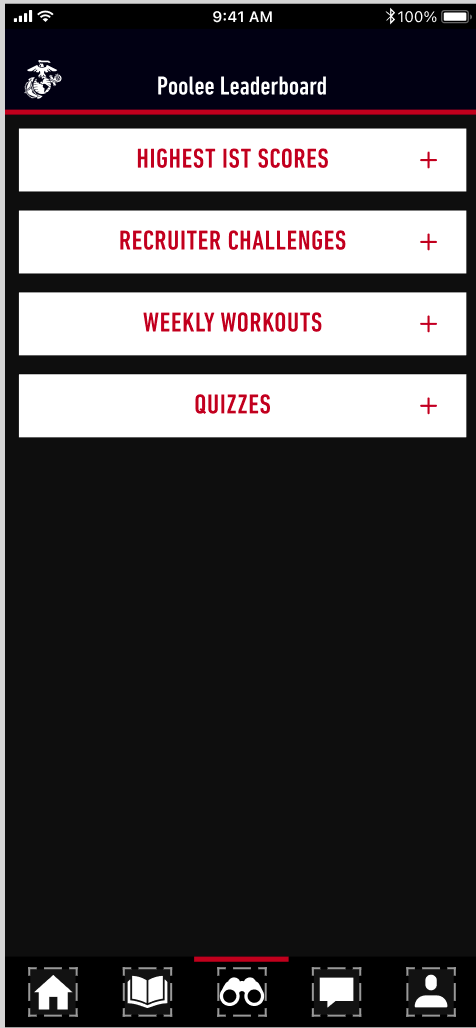
Product Screens
Outcome
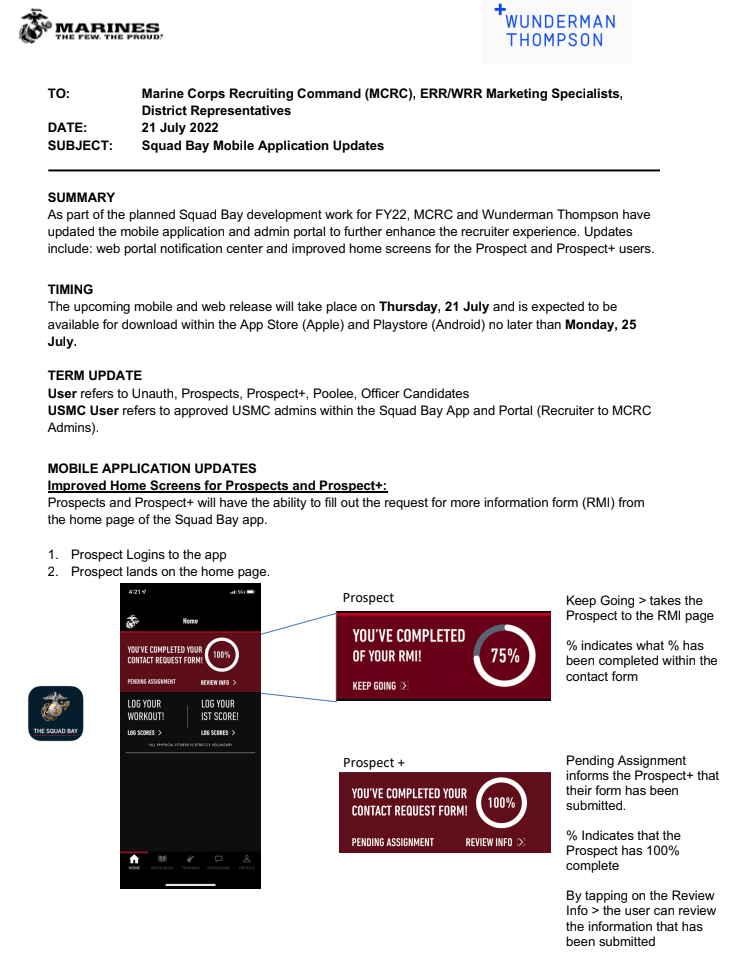
Over the course of 2022, the team delivered six releases introducing new functionality that expanded the platform's user base, deepened engagement across the recruitment pipeline, and laid the groundwork for a full platform rebuild planned for 2023.
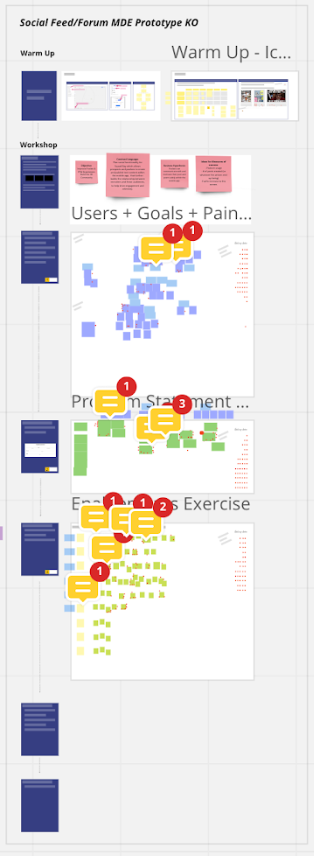
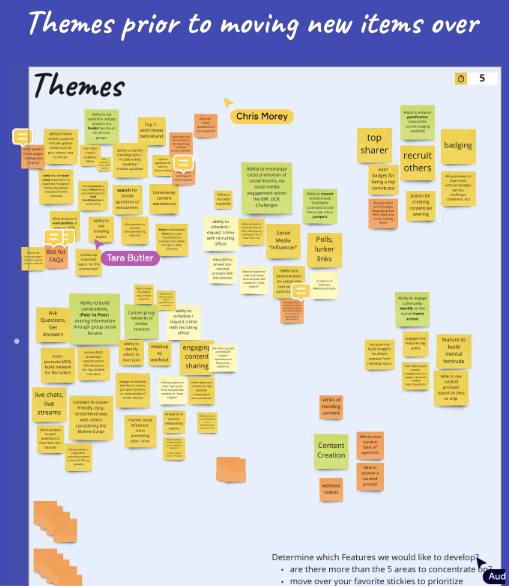
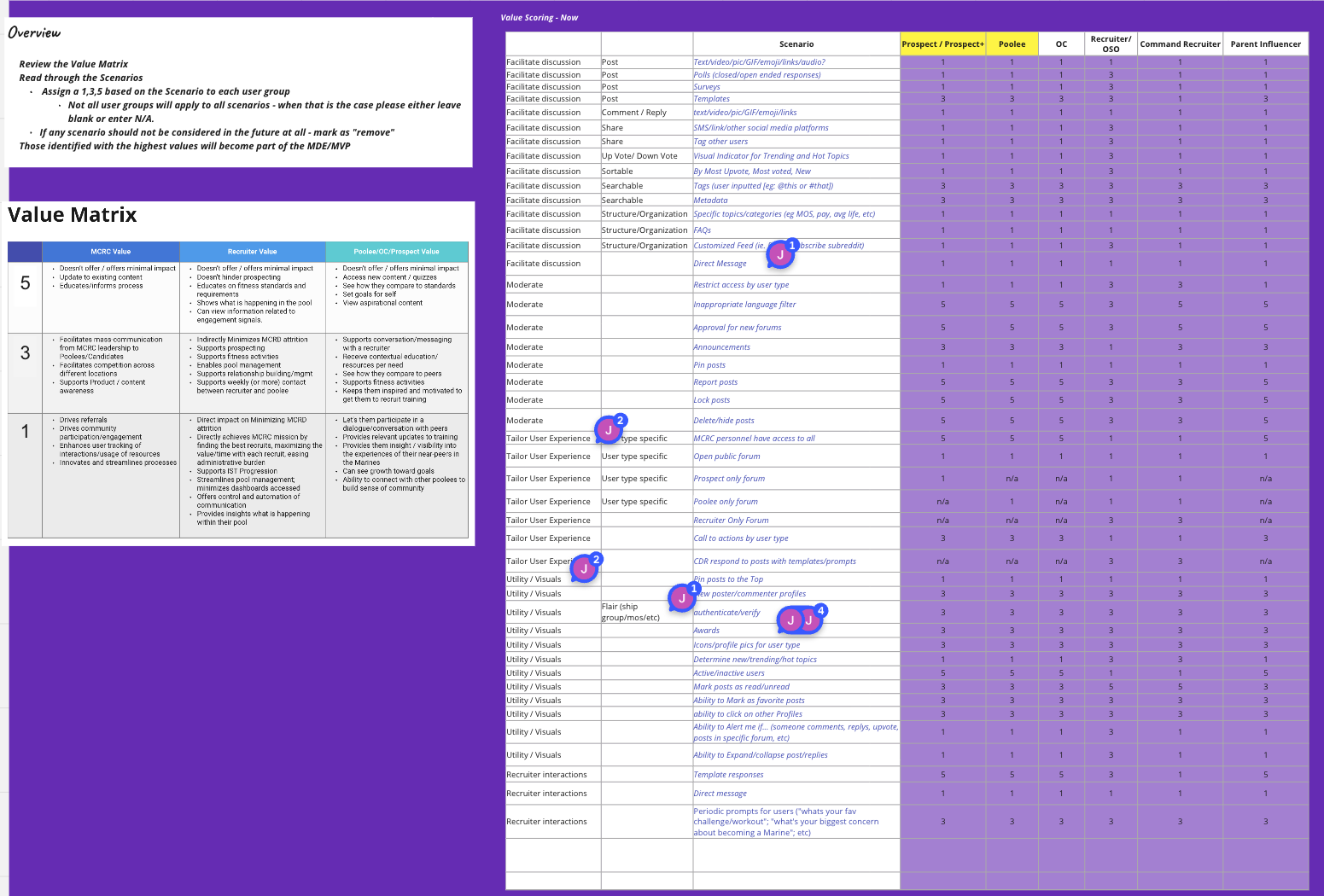
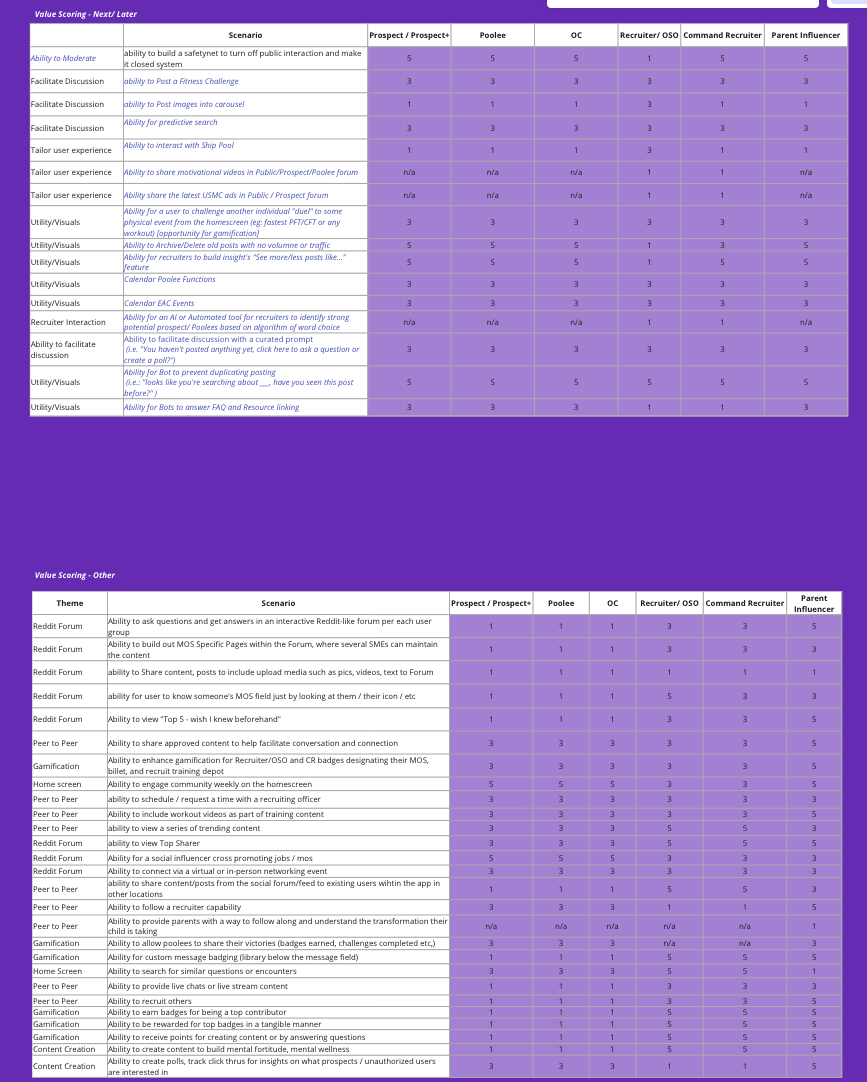
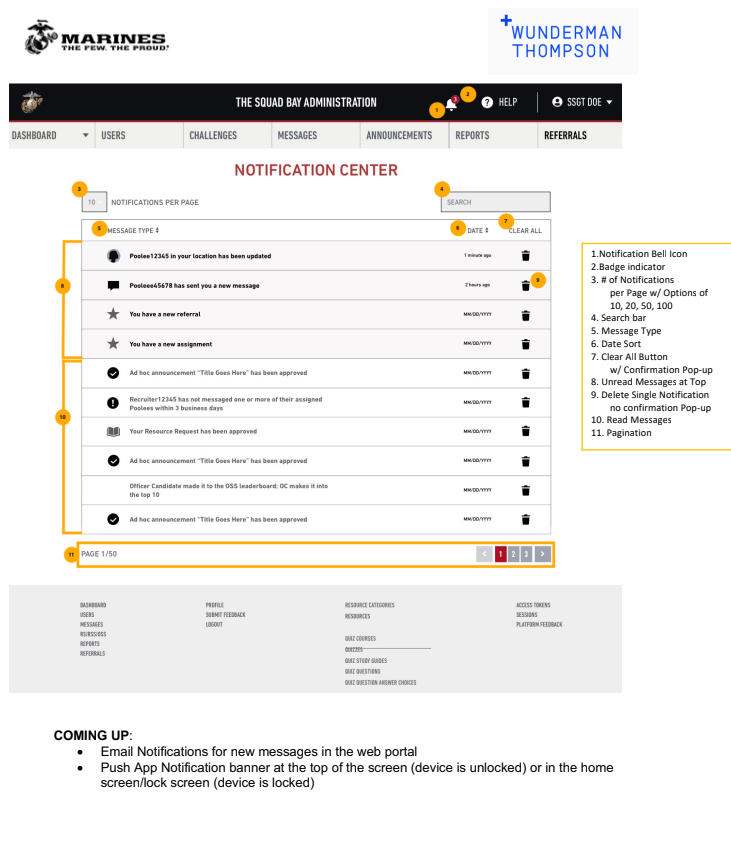
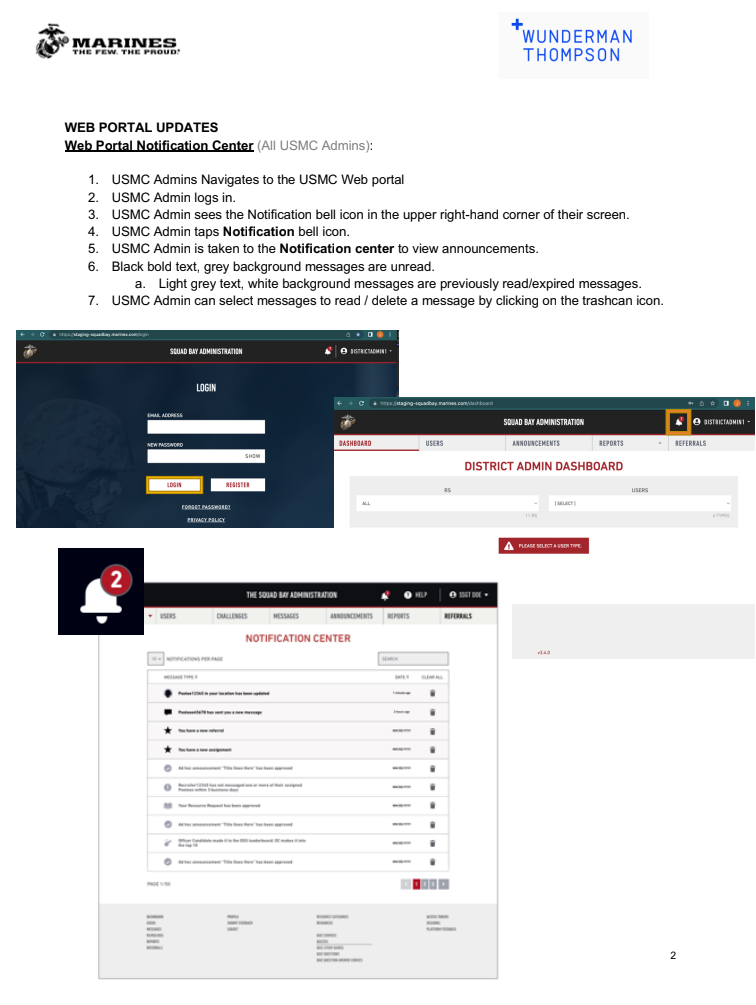
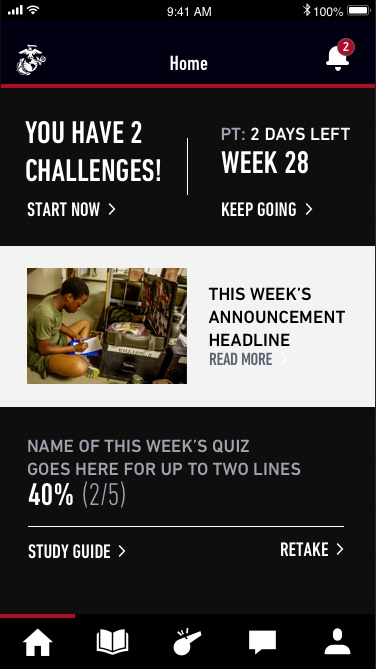
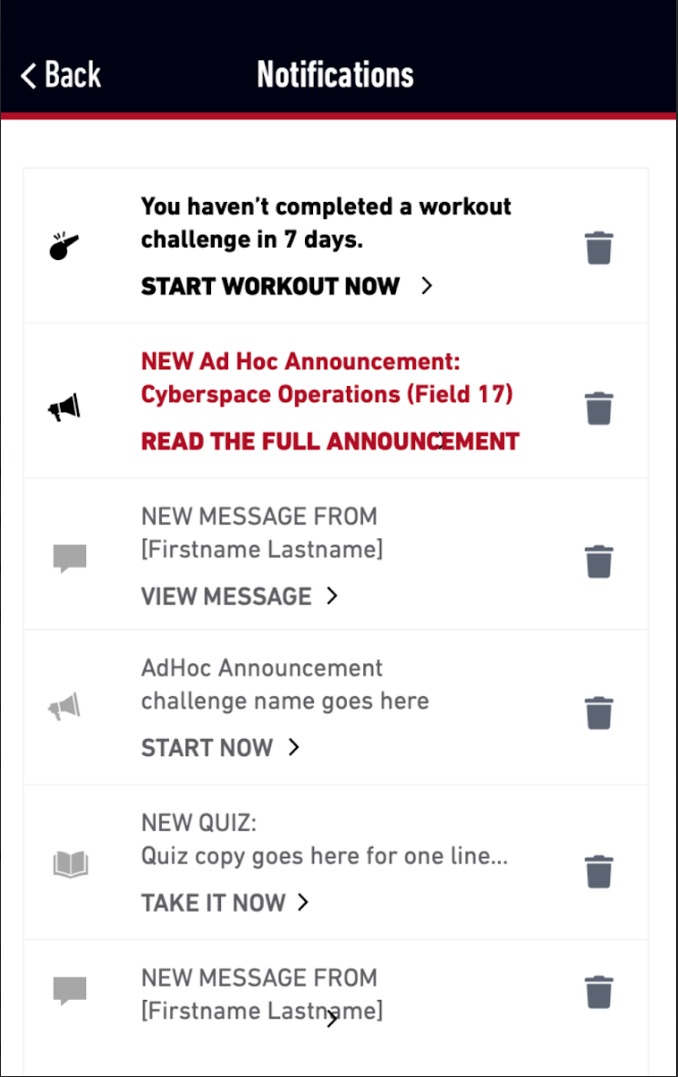
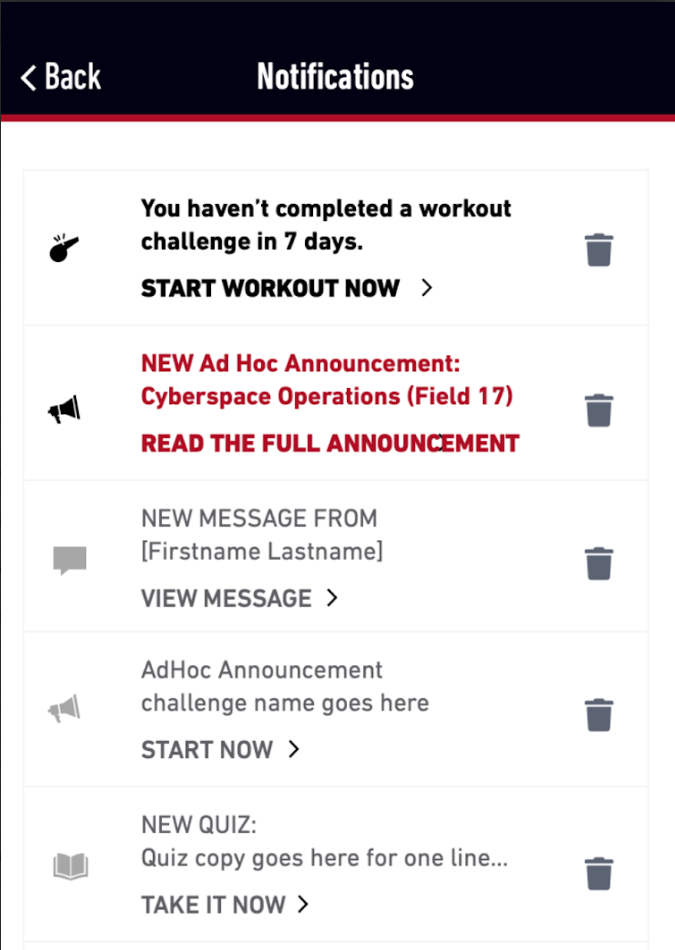
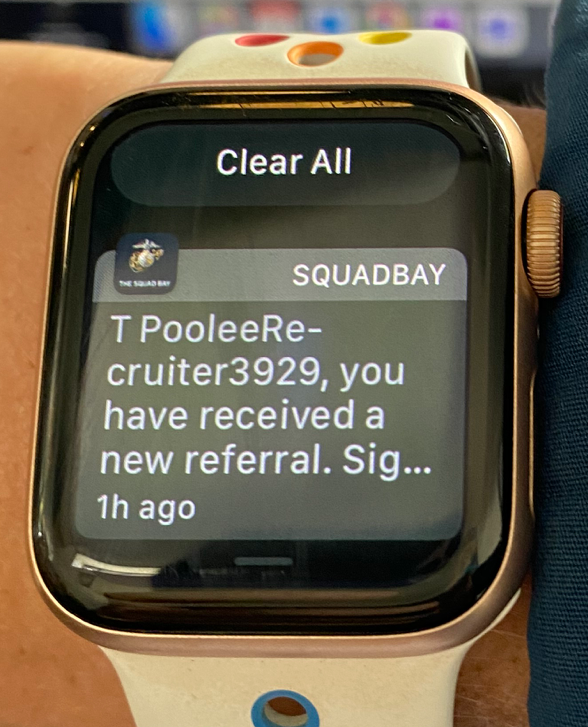
Two new user personas — Prospect and Prospect+ — were successfully onboarded into the platform, each with distinct permission structures and tailored experiences. The Notification Center launch gave users a unified hub for challenges, announcements, messages, and quizzes — reducing friction in recruiter-to-poolee communication. The Social Forum discovery work, including value matrix scoring and multi-stakeholder workshops, delivered a validated, prioritized feature roadmap ready for the rebuild phase.
The ProductBoard migration I co-led ensured that strategic context, feature priorities, and dependency mapping were preserved and handed off cleanly — giving the next phase a strong foundation rather than starting from scratch.
Lessons Learned
Military content approval workflows operate on their own timeline, and attempting to design around them creates downstream risk. The more effective approach was building approval cycles into sprint planning as explicit milestones — treating CO review as a delivery dependency rather than an administrative step. This shifted the team's posture from reactive to planned.
Prototyping directly with the recruitment advisory board — real recruiters and command officers — compressed feedback loops in ways that stakeholder presentations alone never could. Bringing end users into the design process before development began surfaced practical constraints (operational realities, field conditions, device limitations) that wouldn't have appeared in requirements documents. This is now a practice I advocate for in any user-facing product engagement.
The ProductBoard migration and structured release notes weren't just operational tasks — they were strategic investments in continuity. When an engagement ends, the quality of what you leave behind determines whether your work compounds or gets rebuilt from scratch. Treating documentation as a first-class deliverable, not an afterthought, is something this project reinforced clearly.
Serving both the Atlanta agency office and the Marine Corps client simultaneously created competing priorities that weren't always visible to each stakeholder. Establishing explicit communication cadences and decision escalation paths early — rather than managing each relationship ad hoc — would have reduced ambiguity and accelerated approvals across the engagement.